This summer, the sales of wampee, which is produced in Chaoshan and is known as the "Zhengqi Fruit", have been hot. It is not only popular in Guangdong, Guangxi and southern Fujian, where there is a tradition of eating wampee, but also popular in the form of tea drinks all over the country. Some milk tea shops only sell a few wampees. More than 500 cups of takeout can be sold, making it the most popular fruit in the hot summer.
This summer, the sales of wampee, which is produced in Chaoshan and is known as the "Zhengqi Fruit", have been hot. It is not only popular in Guangdong, Guangxi and southern Fujian, where there is a tradition of eating wampee, but also popular in the form of tea drinks all over the country. Some milk tea shops only sell a few wampees. More than 500 cups of takeout can be sold, making it the most popular fruit in the hot summer. The current local purchasing price has more than doubled compared to the same period last year, and is even exported overseas. It is said that wampee has the effects of promoting salivation and quenching thirst, helping digestion and eliminating accumulation, and can even beautify the face and reduce weight. What exactly is the medicinal value of this internet-famous fruit, and how can it be consumed scientifically?
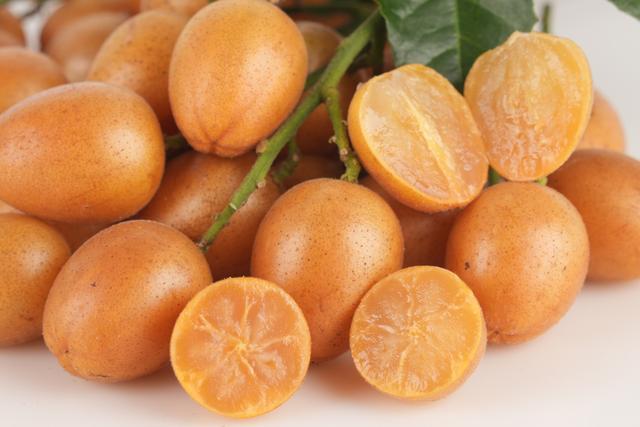
Wampee is a fruit unique to southern China. Its yield is not high, so it was relatively niche before, but it is not unfamiliar to the older generation of southern Fujian people. In the past, the elderly often pickled wampee peels with salt to make candied fruits similar to dried bayberries. When suffering from indigestion, they could just soak them in water and drink them, which had the effect of helping with digestion and eliminating accumulation. People also like to use wampee peel, spare ribs and lean meat to make soup, which tastes sour and sweet, and can relieve heat and stimulate the appetite.
As early as the Ming Dynasty, the poet Dong Chuanze made a special description of the wampee in "Eating Wangpi Fruit". Like guava and orange, the production area distribution of wampee has obvious regional characteristics. The wampees sold in Nanjing mainly come from Chaoshan area, and the raw materials for related products also mainly come from Chaoshan. There is also a saying in Guangdong, "Eat lychees when you are hungry and eat wampees when you are full." It is understood that the wampee planting area in Yunan accounts for about 3/4 of the world's total.
It has been mentioned in ancient medical works such as "Compendium of Materia Medica" that wampee can help digestion and strengthen the stomach, resolve phlegm and relieve cough, and even the core can be used to regulate qi and relieve pain. Huangpi is rich in organic acids, which can increase the acidity of gastric juice, promote digestion, and help relieve stomach pain caused by indigestion. The acidic substances and phenolic components it contains help to regulate the Qi, strengthen the lung Qi, and have the effect of resolving phlegm and relieving cough. Wampee also contains flavonoids, which can reduce vascular inflammation, make blood vessels more elastic, and reduce the occurrence of cardiovascular diseases. In addition, the vitamin C and vitamin E in wampee can protect cells from damage by free radicals and delay aging.
4 groups of people need to be cautious when eating
Although wampee is both a medicine and a food and has many benefits, it should be consumed in moderation. If ordinary people eat too much at one time, it will cause stomach discomfort. The
1. Patients with high blood sugar and diabetes
As a fruit, wampee has a high sugar content. For diabetic patients with unstable blood sugar control, eating too much can easily cause blood sugar to rise rapidly.
2. People with poor gastrointestinal function
wampee peel contains fruit acid and organic acid, which will stimulate the stomach to produce more acid and irritate the gastric mucosa. People with sensitive stomachs should eat less.
3. Infants and young children
Infants and young children have weak spleen and stomach, and certain ingredients in wampee can irritate the stomach and intestines, causing indigestion or diarrhea.
4. Pregnant women
Pregnant women should be especially careful when eating wampees, especially those who suffer from gestational hyperglycemia. Huangpi has certain medicinal properties and can be taken lightly during pregnancy.

