The sun is scorching, and it is the season when lychees are on the market in large quantities. Eating a cool and red lychee, the flesh is sweet and the water is the most abundant, and it feels so refreshing.Not long ago, Ms. Wu from Luzhou, China, was overly addicted to the deliciousness of lychees. As a result, she ate too much and felt dizzy and weak. After checking, she was found to have hypoglycemia. What happened? Isn’t lychee high in sugar? How can it cause blood sugar to drop?
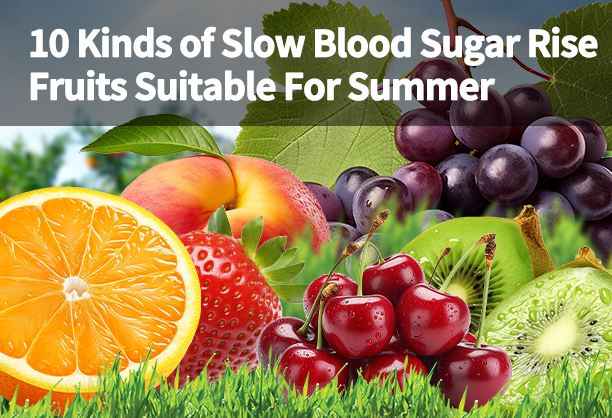
The sun is scorching, and it is the season when lychees are on the market in large quantities. Eating a cool and red lychee, the flesh is sweet and the water is the most abundant, and it feels so refreshing.
Not long ago, Ms. Wu from Luzhou, China, was overly addicted to the deliciousness of lychees. As a result, she ate too much and felt dizzy and weak. After checking, she was found to have hypoglycemia. What happened? Isn’t lychee high in sugar? How can it cause blood sugar to drop?
Eating 3 kilograms of lychees in 2 days, blood sugar is getting lower and lower
Because the symptoms came quickly and did not improve for several days, Ms. Wu rushed to the hospital. After repeated inquiries from the doctor, she learned that it was because she ate less staple food and vegetables at dinner after eating a lot of lychees, which caused "lychee disease".
"Lychee disease" is actually acute hypoglycemia! If you get lychee disease, you will feel black in front of your eyes, sweaty palms, accelerated heartbeat, panic, dry mouth in the early stage. In severe cases, you may also have difficulty breathing, irregular heartbeat, cramps and even coma. The worst case is shock or even death.
Kang Zhiqiang, director of endocrinology and chief physician of Zhengzhou Central Hospital affiliated to Zhengzhou University, said that lychee disease is mainly caused by three factors.
-
There is a lot of fructose in lychees, which must be converted into glucose by the liver before it can be used by the human body.If you eat too much at one time, fructose invertase is "in short supply" and cannot efficiently convert glucose, which cannot offset the rate at which the human body consumes glucose, leading to hypoglycemia.
-
When a person is hungry and has low blood sugar levels, if he consumes too much fructose, the brain may receive the wrong information that he has eaten.The human body does not feel hungry, which affects normal eating, causing the glucose concentration in the blood to further decrease, causing hypoglycemia.
-
Unripe lychees contain two substances that inhibit glucose synthesis: hypoglycine A and methylenecyclopropylglycine. When fasting and consuming a large amount, it is more likely to cause "lychee disease".
In summer, seasonal fruits are available one after another, but some fruits, like lychees, are likely to cause "fruit disease" if eaten incorrectly.
10 kinds of fruits that raise blood sugar slowly are especially suitable for people with blood sugar problems.
Fresh fruits are rich in vitamins, minerals, dietary fiber and antioxidants. Eating a little bit can help regulate blood sugar and reduce the risk of diabetic complications.
The "Dietary Guidelines for Adults with Diabetes (2023 Edition)" issued by the National Health Commission has formulated a fruit every day in the 84-day diet for diabetics.
According to the frequency of various fruits in the diet, we have listed the top 10 most recommended ones.
| Fruit |
GI/GL |
Daily intake |
| 1 |
Apple |
GI=36 GL=9.8 |
1 piece |
| 2 |
Orange |
GI=33-40 GL=7.8-8.8 |
1 piece |
| 3 |
Kiwi |
GI=50 GL=7.5 |
1 piece |
| 4 |
Dragon fruit |
GI=48-52 GL=6 |
1 piece |
| 5 |
Pear |
GI=36 GL=9.4 |
1 piece |
| 6 |
Cherry |
GI=22 GL=4.4 |
10 pieces |
| 7 |
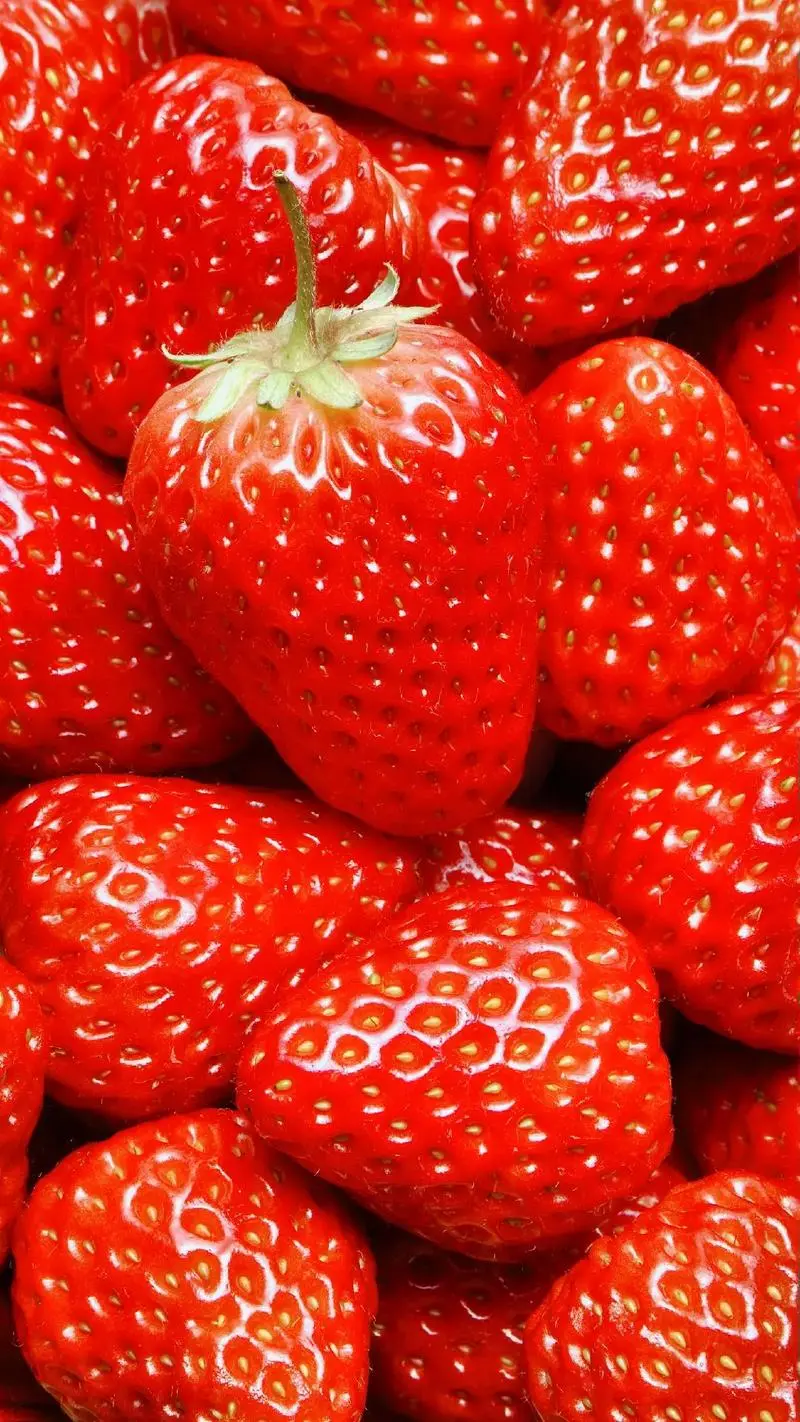
Strawberry |
GI=29 GL=4.2 |
8-10 pieces |
| 8 |
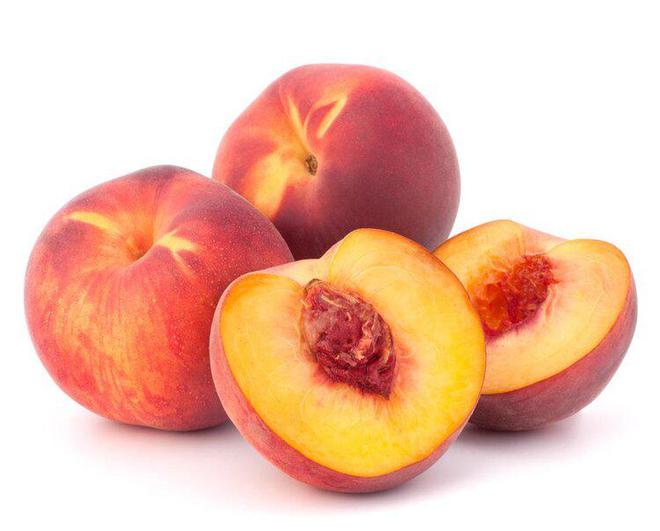
Peach |
GI=28 GL=5.6 |
1 piece |
| 9 |
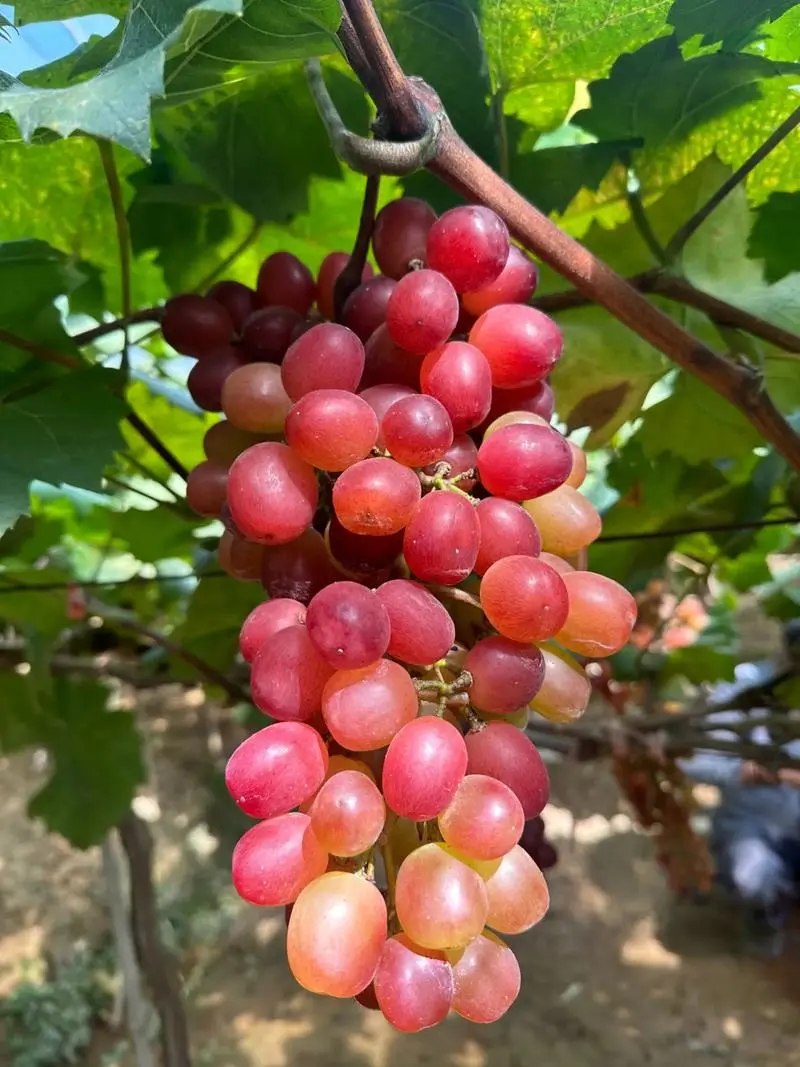
Grape |
GI=43 GL=8.8 |
12-15 pieces |
| 10 |
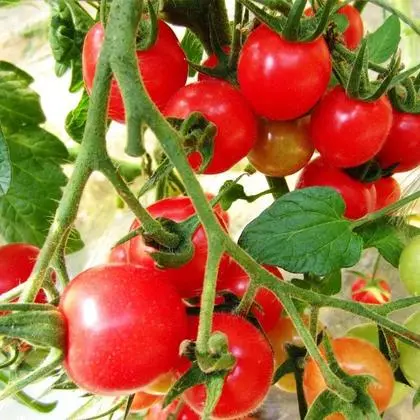
Cherry tomatoes |
GI=15-30 GL=0.7 |
15-20 pieces |
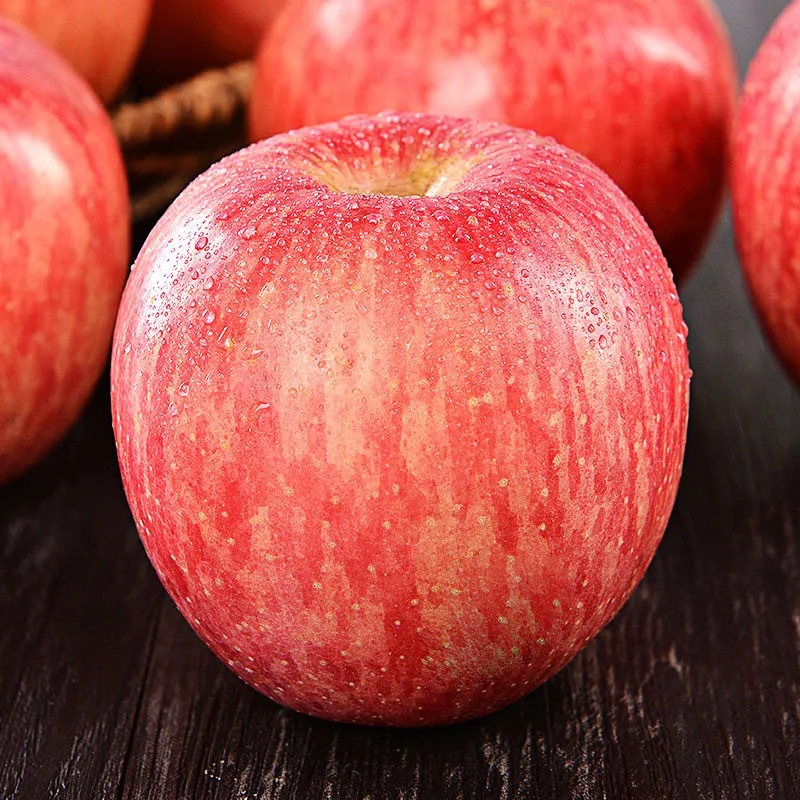
1. Apples are rich in dietary fiber, have a strong sense of fullness, are low in energy, and have little effect on blood sugar.
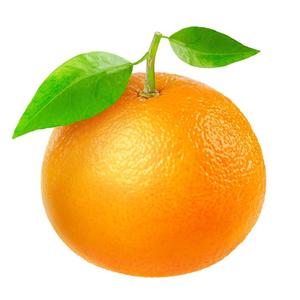
2. Oranges have low energy, slow blood sugar rise, are rich in dietary fiber, and are rich in vitamin C, which is conducive to stabilizing blood sugar after meals
3. Kiwifruit contains inositol, which regulates sugar metabolism.

4. Dragon fruit promotes thirst, clears heat and promotes diuresis, and improves constipation.

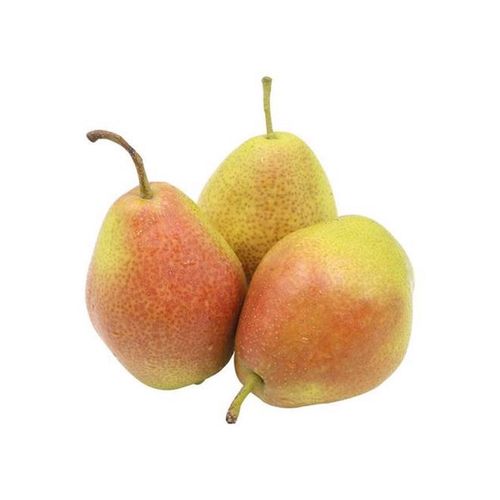
5. Eating pears regularly helps improve blood pressure.
6. Cherries are rich in anthocyanins, multiple vitamins, and minerals, which can regulate blood sugar.

7. Strawberries are rich in vitamin C and dietary fiber, which can protect cardiovascular health and reduce chronic inflammation.
8. Peaches are rich in dietary fiber, which is conducive to stabilizing blood sugar after eating, and are rich in antioxidants such as phenols.
9. Grapes are rich in polyphenols and anthocyanins, which help prevent cardiovascular disease.
10. Cherry tomatoes are rich in lycopene and have strong antioxidant capacity.
Low GI fruits are good for people with diabetes
Compared with people who do not eat fruits, daily intake of low GI fruits can significantly reduce fasting blood sugar, postprandial blood sugar and glycosylated hemoglobin (HbA1c) levels.
GI (glycemic index) is an indicator to measure the speed at which food causes blood sugar to rise.
The higher the GI value, the faster the food causes blood sugar to rise.
GI≤55 is low GI food; 55GI>70 is high GI food.
The GI value is based on the blood sugar increase within 2 hours after consuming 100 grams of pure glucose (GI value = 100). For other foods, the blood sugar increase within 2 hours after consumption is compared with the blood sugar increase after consuming pure glucose to obtain the glycemic index.
There are tricks to eating fruits
If your blood sugar is well controlled (fasting blood sugar <7.0mmol/L, blood sugar 2 hours after meal <10mmol/L, glycosylated hemoglobin <7.0%), you can eat about 200 grams of fruit every day.
It is recommended to eat fruit between meals (about 2 hours after meals) or before and after exercise. If blood sugar control is not good, tomatoes and cucumbers can be used instead of fruits.
The digestive enzymes in each person's body are different, and the same fruit has different effects on blood sugar.
It is recommended to test blood sugar once before and after eating fruit. If the difference in blood sugar before and after does not exceed 2.2mmol/L, then it is suitable for you.
The seasonings in the kitchen are masters of regulating blood sugar
In many dietary studies on blood sugar improvement, seasonings do not seem to attract attention.
In fact, some seasonings can also help control blood sugar.
Cinnamon
Studies have shown that taking cinnamon can significantly reduce the fasting blood sugar level of patients with type 2 diabetes, with a decrease of about 1mmol/L.
Cinnamon can also reduce insulin resistance in pre-diabetic people and patients with type 2 diabetes.
How to eat?
The dose usually used in the experiment is about 1g of cinnamon powder per day. It is recommended to sprinkle it on food to eat, so that more effective ingredients can be taken in.
Turmeric
A comprehensive analysis of 7 studies found that turmeric can significantly reduce fasting blood sugar in patients with type 2 diabetes, with a decrease of about 0.67mmol/L.
How to eat?
Generally, the curcumin we eat comes from curry powder and turmeric powder, but be aware that turmeric may interfere with the metabolism of certain drugs, such as increasing the risk of interaction with anticoagulants (such as warfarin).

