Although it is the beginning of autumn, the high temperature has not gone, and the autumn is dry. Many people choose to make soup to nourish the body, but what should more people do if they don't have time to make soup? In fact, fruit is also a good choice. So, how to choose fruit in autumn? Which fruits are the most nourishing?
Although it is the beginning of autumn, the high temperature has not gone, and the autumn is dry. Many people choose to make soup to nourish the body, but what should more people do if they don't have time to make soup? In fact, fruit is also a good choice. So, how to choose fruit in autumn? Which fruits are the most nourishing?
With the change of seasons, our diet also needs to be adjusted accordingly. When autumn and winter come, the weather gradually turns cooler and the air becomes dry. At this time, choosing the right fruit can not only satisfy our taste buds, but also make these fruits into juice to bring many benefits to the body.
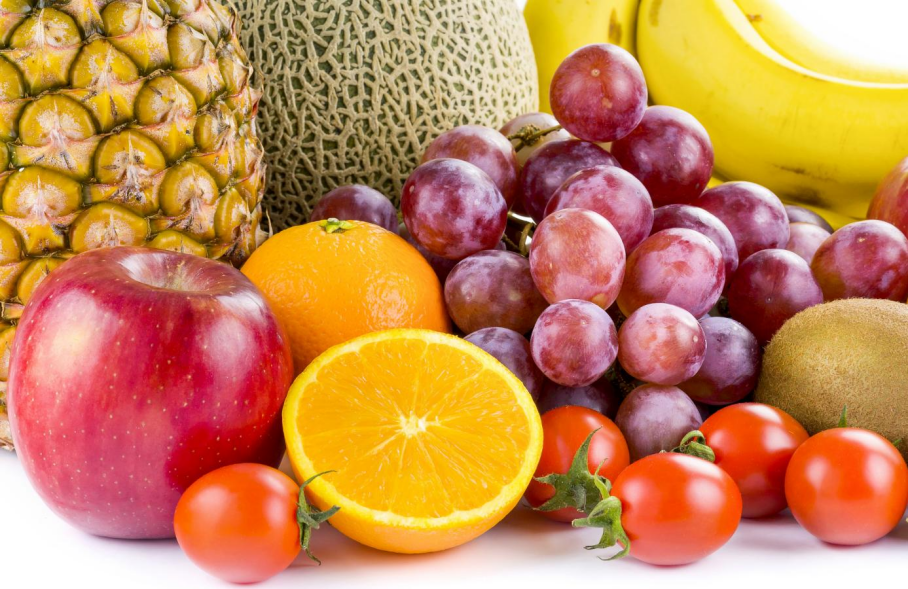
Why should we eat more fruits in autumn and winter?
-
The water and vitamins rich in fruits can effectively replenish the water needed by the body and keep the skin moisturized.
-
Autumn and winter are also the high incidence period of diseases such as colds. The antioxidant substances such as vitamin C and vitamin E contained in fruits can enhance the body's immunity and prevent the occurrence of diseases.
-
People's exercise volume is relatively reduced in autumn and winter, and they are prone to problems such as indigestion. The dietary fiber in fruits can promote intestinal peristalsis, help digestion, and prevent constipation.
Which famous fruits are the most nourishing in autumn and winter?
1. Apple:
Rich in dietary fiber such as pectin, it helps promote intestinal peristalsis and prevent constipation. It is rich in vitamins and antioxidants, which can enhance immunity and delay aging. The potassium contained in apples plays an important role, which can maintain normal blood pressure levels.
Taboo:
Patients with ulcerative colitis are not suitable for eating raw apples, which will aggravate the condition. People with cold stomachs should not eat too much to avoid stomach discomfort.

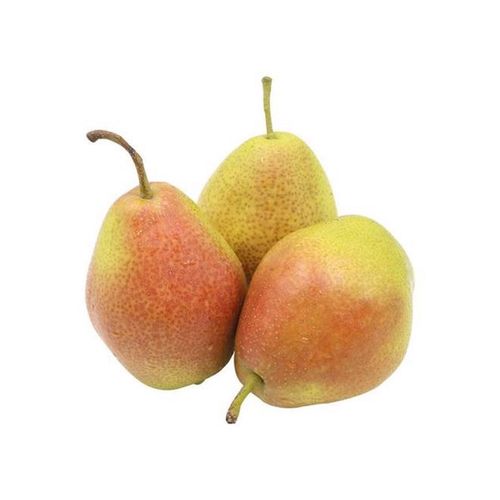
2. Pear:
It has the effect of clearing heat and reducing fire, and can relieve symptoms such as dry mouth, dry throat, and cough caused by autumn dryness. It contains ingredients such as glycosides and tannic acid, which have a nourishing effect on the throat. It can promote appetite, help digestion, and protect the liver.
Taboo:
Pears are cold in nature. People with wind-cold coughs and spleen deficiency and loose stools should not eat more raw pears. Postpartum women and children with acne should also eat with caution.
3. Orange:
It has a high content of vitamin C, which can enhance the body's resistance and prevent colds.
It contains ingredients such as hesperidin, which has the effect of lowering blood lipids and softening blood vessels. The aroma of oranges can help relieve anxiety and improve sleep.
Contraindications:
People with diabetes should eat in moderation to avoid high blood sugar. People with spleen and stomach deficiency and diarrhea should not eat too much.
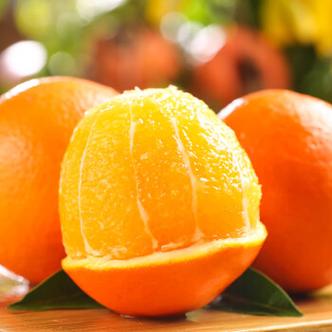
4. Grapefruit:
It contains rich vitamin P and flavonoids, which can significantly strengthen the function of skin capillaries, provide strong help for damaged skin tissue, and promote its recovery to a healthy state. It also has many functions such as strengthening the stomach to promote digestion and absorption, moistening the lungs to relieve respiratory discomfort, replenishing blood to improve qi and blood conditions, clearing the intestines to expel toxins from the body, and facilitating bowel movements to keep the intestines unobstructed. The pectin in grapefruit can reduce the level of low-density lipoprotein cholesterol.
Contraindications:
People who are taking antihypertensive drugs, lipid-lowering drugs and other drugs should not eat grapefruit at the same time to avoid affecting the efficacy of the drugs. People with spleen deficiency and diarrhea should not eat it.

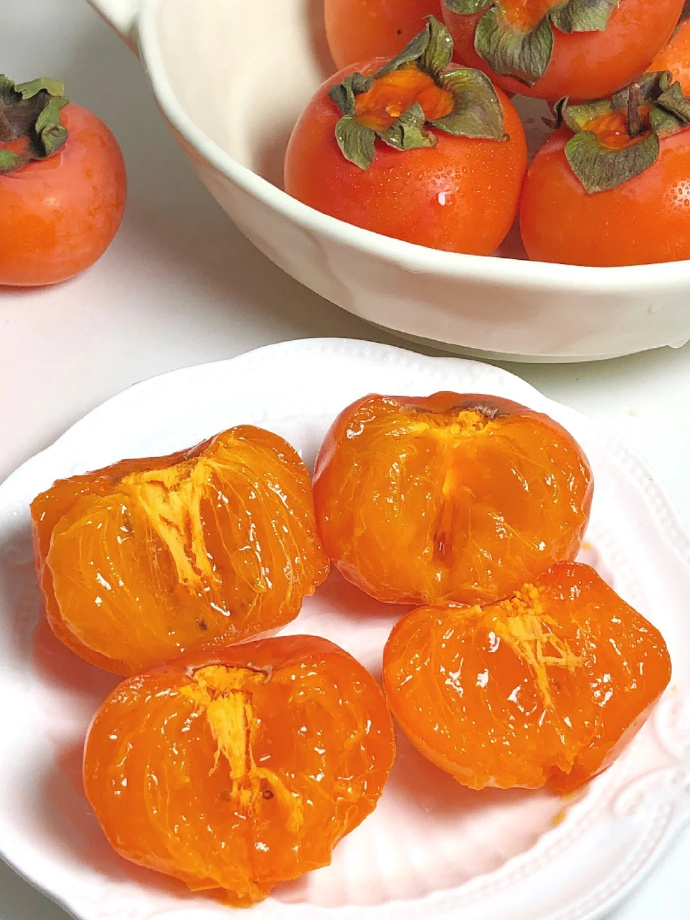
5. Persimmon:
Contains rich nutrients such as carotene, riboflavin, vitamins, etc., which can clear internal heat, moisturize the lungs, nourish body fluids, strengthen the spleen and stomach, and dissolve phlegm. Tannic acid contained in persimmon has astringent properties and can play an antidiarrheal role.
Contraindications:
Persimmons contain more tannic acid, so it is not suitable to be eaten on an empty stomach to avoid the formation of gastric persimmon stones. Anemia patients should not eat too much, because the tannic acid in persimmons will affect the absorption of iron. Diabetic patients should be careful when eating persimmons, as the sugar content is high.
6. Jujube:
It has the effects of replenishing qi, nourishing blood and calming the mind, and can improve symptoms such as anemia and insomnia. It is rich in vitamin C and cyclic adenosine monophosphate and other ingredients. These ingredients can effectively enhance the body's immunity, help the body resist the invasion of external pathogens, and effectively prevent cardiovascular diseases. The polysaccharides in red dates have a good protective and maintenance effect on the liver, which can help the liver maintain normal physiological functions.
Contraindications:
Diabetic patients should not eat too much to avoid high blood sugar. People with damp heat and yellow greasy tongue coating should not eat it. Red dates are warm in nature, so people with hot constitution should not eat too much.
7. Durian:
Nutritious, containing protein, fat, carbohydrates, vitamins and various minerals, it has the effects of nourishing yin, dispelling wind and clearing heat, promoting bile and relieving jaundice. Durian is hot in nature, which can relieve women's menstrual pain and improve abdominal cold symptoms.
Taboo:
Durian has high calories, and obese people should eat it in moderation. People with hot constitution should not eat too much, as it is easy to get angry. People with diabetes and heart disease should not eat it.

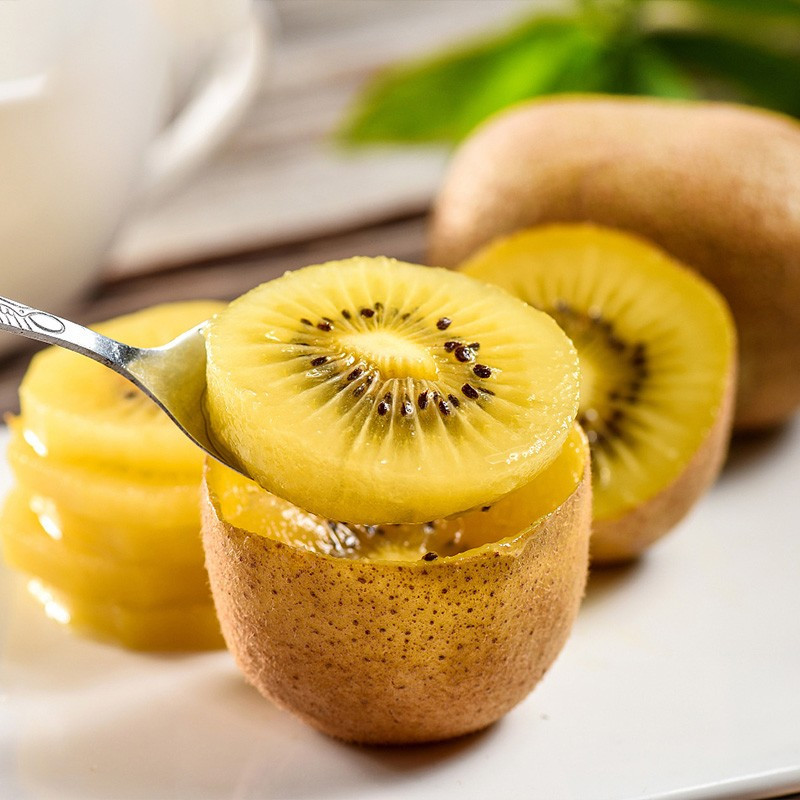
8. Kiwi:
Rich in nutrients such as vitamin C, vitamin E, and folic acid, it has antioxidant and beauty effects. It is rich in dietary fiber, which can promote intestinal peristalsis and prevent constipation. The serum-promoting factor in kiwi has the effect of stabilizing emotions and calming the mood.
Taboo:
People with spleen and stomach deficiency should not eat too much, as it is easy to cause abdominal pain and diarrhea. The protease contained in kiwi may cause allergies, so people with allergic constitution should eat it with caution.
9. Grapes:
Contains a variety of fruit acids, which helps digestion. Eating more grapes can strengthen the eyes and stomach. The flavonoids in grapes have antioxidant, blood pressure lowering, and blood lipid lowering effects. The glucose, organic acids, amino acids, vitamins, etc. in grapes have an excitatory effect on the brain nerves, which can improve symptoms such as neurasthenia and excessive fatigue.
Taboos:
Diabetic patients should not eat too much to avoid high blood sugar. People with spleen and stomach deficiency should not eat too much, which can easily cause diarrhea.

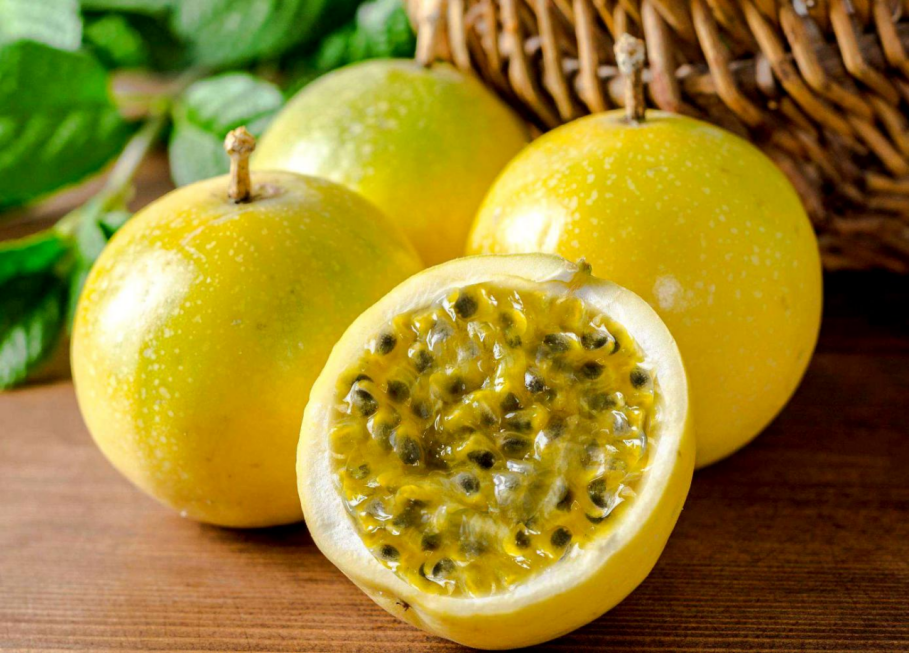
10. Passion fruit:
Contains rich antioxidants such as vitamin C, carotene, and superoxide dismutase, which have the effects of eliminating toxins from the body, nourishing the face, and resisting aging. The dietary fiber in passion fruit can effectively promote intestinal peristalsis and enhance intestinal power, thereby playing a good preventive effect on constipation. The aroma of passion fruit can relieve anxiety and tension and improve sleep quality.
Taboos:
Passion fruit is highly acidic, and people with excessive stomach acid should not eat too much. Passion fruit may cause allergies, and people with allergies should eat it with caution.
How to eat fruit more healthily?
Fruits are indeed good for the body, but you can't eat too much! Different fruits have different nutrients and sugar content. Excessive consumption may cause physical discomfort. Generally speaking, it is more appropriate to control the amount of fruit eaten per day to 200-300 grams. This can not only ensure that we take in enough nutrients, but also avoid unnecessary burden on the body due to excessive consumption of fruits.
1. Choose the right time to eat
Fruits are best eaten 1-2 hours before or after meals. This can avoid mixing fruits with food in the main meal and affecting digestion and absorption. In addition, it is not advisable to eat too much fruit at night to avoid increasing the burden on the stomach and affecting sleep.
2. Pay attention to the combination of fruits
Different fruits contain different nutrients, and reasonable combination can make nutrition more balanced. For example, apples and oranges can be eaten together, and their rich vitamin C can complement each other; pears and white fungus can be stewed together, which has a better effect of moistening the lungs and relieving coughs.
3. Clean
Choose fresh, unpolluted, and undamaged fruits as raw materials for eating and juicing. Fresh fruits contain more vitamins and nutrients, which help to ensure the quality and nutritional value of juice. Fruits may be contaminated by pesticides, dust, etc. during their growth, so before eating and juicing, be sure to wash the fruits carefully to remove bacteria and pesticide residues on the surface. You can rinse the surface of the fruit with clean water, or soak it in salt water for a period of time, and then rinse it with clean water.

