Are you a little unfamiliar with purslane? Some people may have eaten it and think it is neither impressive nor delicious; some people have never heard of it, let alone tasted it. However, as a common plant, the nutritional value of purslane cannot be underestimated. Purslane is used as both medicine and food. Eating it often may bring amazing improvements to our bodies.
Are you a little unfamiliar with purslane? Some people may have eaten it and think it is neither impressive nor delicious; some people have never heard of it, let alone tasted it. However, as a common plant, the nutritional value of purslane cannot be underestimated. Purslane is used as both medicine and food. Eating it often may bring amazing improvements to our bodies.
With the acceleration of the pace of modern life, more and more people are facing various health problems. For example, chronic fatigue, indigestion, skin allergies and sleep disorders. These problems not only reduce the quality of life, but may also induce more health risks. Then, studies have found that purslane, as a health-preserving ingredient, can improve our health in many ways, which is surprising.
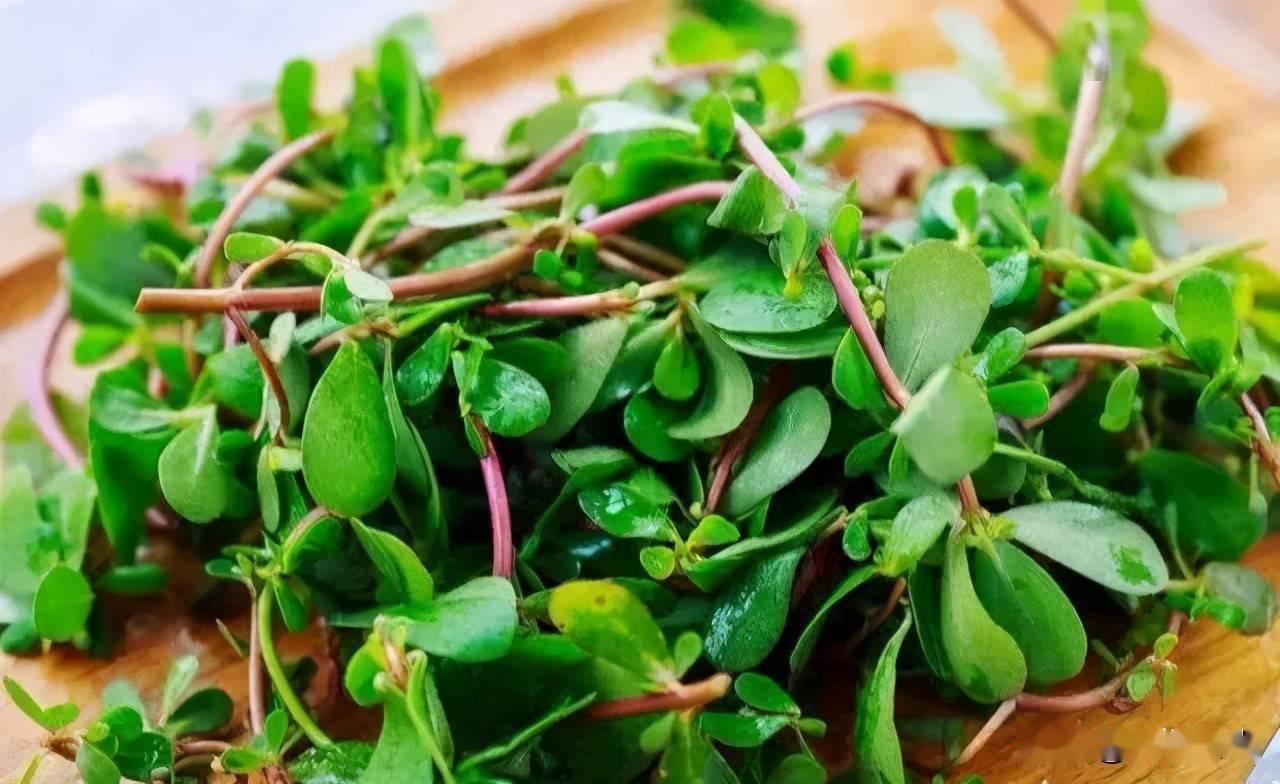
The benifit of purslane
-
Diuresis and swelling. Lowering blood pressure Purslane contains a large amount of potassium salt +, which has a good diuretic and detumescent effect; potassium ions can also directly act on the blood vessel wall, dilate the blood vessel wall, prevent the thickening of the arterial wall, and thus play a role in lowering blood pressure.
-
Eliminate dust and poison. Prevent and treat ulcers Purslane can eliminate dust and poison, prevent phagocyte degeneration and necrosis, prevent lymphatic inflammation and prevent fibrous changes, eliminate the formation of silicosis, and have a certain effect on vitiligo: Purslane also contains more carotene, which can promote the healing of ulcers.
-
Sterilization and anti-inflammatory. Purslane has a strong inhibitory effect on Shigella dysenteriae, Salmonella typhi and Escherichia coli, and can be used for the auxiliary prevention and treatment of various inflammations. It is known as a "natural antibiotic".
-
Prevent and treat heart disease. Purslane contains a rich y-3 fatty acid +, which can inhibit the production of serum cholesterol and triglyceride in the human body, help increase the synthesis of prostaglandins in vascular endothelial cells, inhibit platelet formation of thromboxane a2+, reduce blood viscosity, promote vasodilation, prevent platelet aggregation, coronary artery spasm and thrombosis, and thus play a role in preventing and treating heart disease.
Who are the contraindications of Purslane
If you have diarrhea symptoms due to cold stimulation of the abdomen, you should eat less Purslane, because Purslane itself is a diuretic and digestive, which will aggravate the condition,
During pregnancy, try not to eat this kind of food, because this kind of food is cold food. And it will also have a certain effect on the uterus. If so, it will stimulate the uterus, which will affect miscarriage. In severe cases, it may cause the fetus to be in danger. Therefore, try not to eat it. Although it is rich in vitamins and some proteins, it is very bad for the body. And for pregnant women, cold vegetables are good for the body. Therefore, pregnant women should not eat this kind of food to avoid physical discomfort.
- People who take certain Chinese medicines
Purslane and Jianjia are incompatible. Therefore, if the prescription contains Jianjia, you must avoid purslane.
The correct processing method of purslane
The Chinese Pharmacopoeia has a detailed description of the processing method of purslane: Harvest in summer and autumn, remove the residual roots and impurities, wash, cut into sections and dry them. It can be slightly steamed or scalded and then dried in the sun or on the kang. Chinese medicine has strict control over the water content. On the one hand, it is to dry and not deteriorate, which is conducive to preservation, and on the other hand, it is also for easy transportation. Therefore, the general water content should not exceed 9.0%, that is, it should be fully dried.


