Sterilization is an important part of the juice beverage production line. Beverage sterilization is somewhat different from medical and biological sterilization. Beverage sterilization has two meanings: one is to kill the pathogenic bacteria and spoilage bacteria contaminated in the beverage, destroy the enzymes in the food, and make the beverage have a certain shelf life in a specific environment, such as in a sealed bottle, can or other packaging container; the second is to protect the nutrien
Sterilization is an important part of the juice beverage production line. Beverage sterilization is somewhat different from medical and biological sterilization. Beverage sterilization has two meanings: one is to kill the pathogenic bacteria and spoilage bacteria contaminated in the beverage, destroy the enzymes in the food, and make the beverage have a certain shelf life in a specific environment, such as in a sealed bottle, can or other packaging container; the second is to protect the nutrients and flavor in the beverage as much as possible during the sterilization process. Therefore, the sterilized beverage is commercially sterile.
There are two types of beverage sterilization methods: physical sterilization and chemical sterilization. Chemical sterilization uses bactericides such as hydrogen peroxide, ethylene oxide, and sodium hypochlorite. Due to the influence of chemical residues in chemical sterilization, contemporary food sterilization methods tend to physical sterilization.
Among the wet heat sterilization methods, there are pasteurization, high temperature short-time sterilization, and ultra-high temperature instantaneous sterilization. Pasteurization is a low-temperature, long-term sterilization method with a sterilization temperature below 100°C and a heat preservation time of 30 minutes. High-temperature short-time sterilization (HTST) generally has a sterilization temperature below 100°C, such as 85°C for milk, which is maintained for more than 15 seconds. Ultra-high temperature instantaneous sterilization (UHT) has a sterilization temperature above 120°C and is maintained for only a few seconds. HTST and UHT sterilization methods are not only highly efficient, but also better than other sterilization methods in terms of the organization, appearance, nutrition and flavor of food.
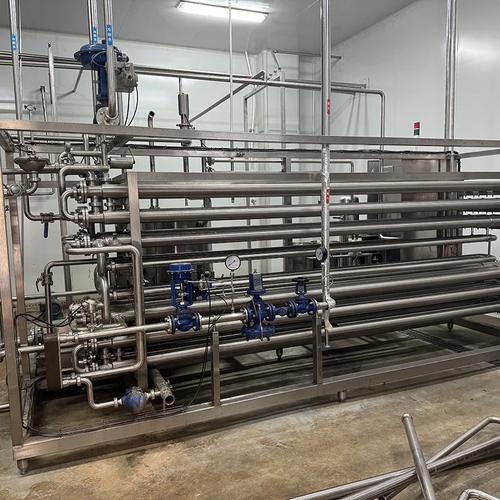
For beverages with packaging containers such as canned beverages and bottled beverages, the sterilization equipment for processing such materials can be divided into normal pressure sterilization equipment and pressurized sterilization equipment according to the sterilization temperature. The sterilization temperature of normal pressure sterilization equipment is below 100°C, and it is used to sterilize beverage products with a pH value of less than 4.5. Canned food sterilization equipment designed with the pasteurization principle belongs to this category. Pressure sterilization equipment is generally carried out in a closed device, with a pressure greater than 0.1Mpa and a temperature of about 120°C. Normal pressure and pressure sterilization equipment can also be divided into intermittent and continuous types in terms of operation. According to the different heat sources used by the sterilization equipment, it can be divided into direct steam heating sterilization equipment, water heating sterilization equipment, flame continuous sterilization machine, etc.

