Through offline supermarkets and search e-commerce platforms, it is found that on the packaging of many products, words such as "no additives", "100% juice", and "NFC freshly squeezed" are designed to be particularly eye-catching. These concepts are often an important reference for consumers' final choice. Juice drinks are loved by consumers because of their good taste and rich nutrition.
Through offline supermarkets and search e-commerce platforms, it is found that on the packaging of many products, words such as "no additives", "100% juice", and "NFC freshly squeezed" are designed to be particularly eye-catching. These concepts are often an important reference for consumers' final choice. Juice drinks are loved by consumers because of their good taste and rich nutrition. However, there are many kinds of juices on the market, and the nutritional content of different juices varies greatly. Which juice is the most suitable for you? A 250ml glass of orange juice contains ≈ 5 sugar cubes, but only retains less than 10% of the original fruit fiber-this is the nutritional paradox of juice: concentrated vitamins and concentrated risks.
In today's rising health awareness, juice is often pushed to the altar of "natural health", but consumers are caught in a triple dilemma: How to balance nutrition and sugar? How to avoid the "pseudo-health" trap? How to drink safely for special physiques? Scientific analysis of the essence of juice has become the key to breaking the game.
The core dimension of healthy juice: nutritional game beyond sugar
1.Glycemic index (GI) and sugar type
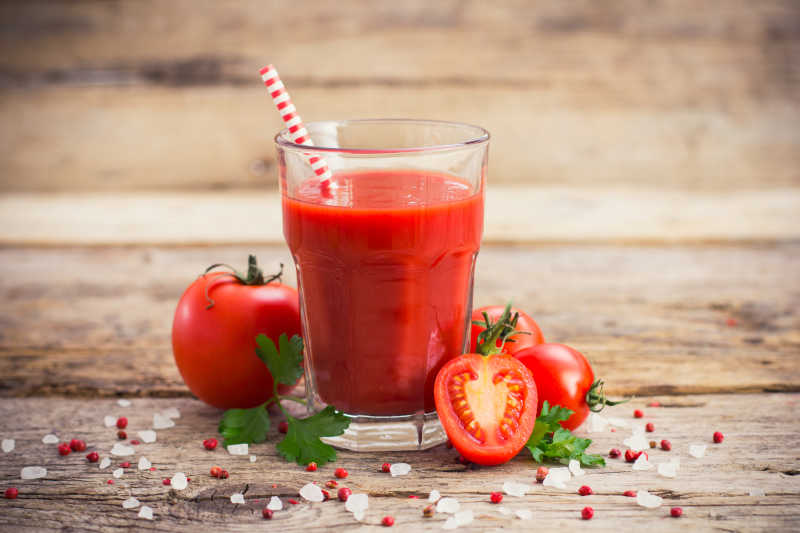
Low GI juice (such as tomato juice GI=38) can avoid a sudden rise in blood sugar, while juice with a high fructose content (such as apple juice with 60% fructose) is easily converted into fat in the liver.
2.Active ingredient concentration
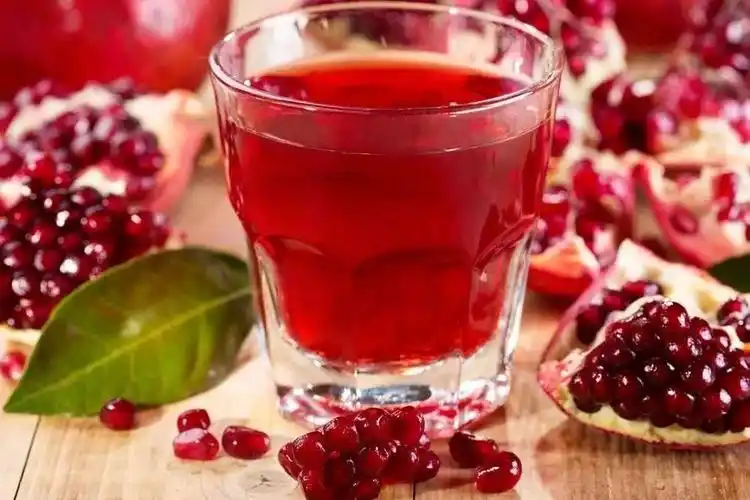
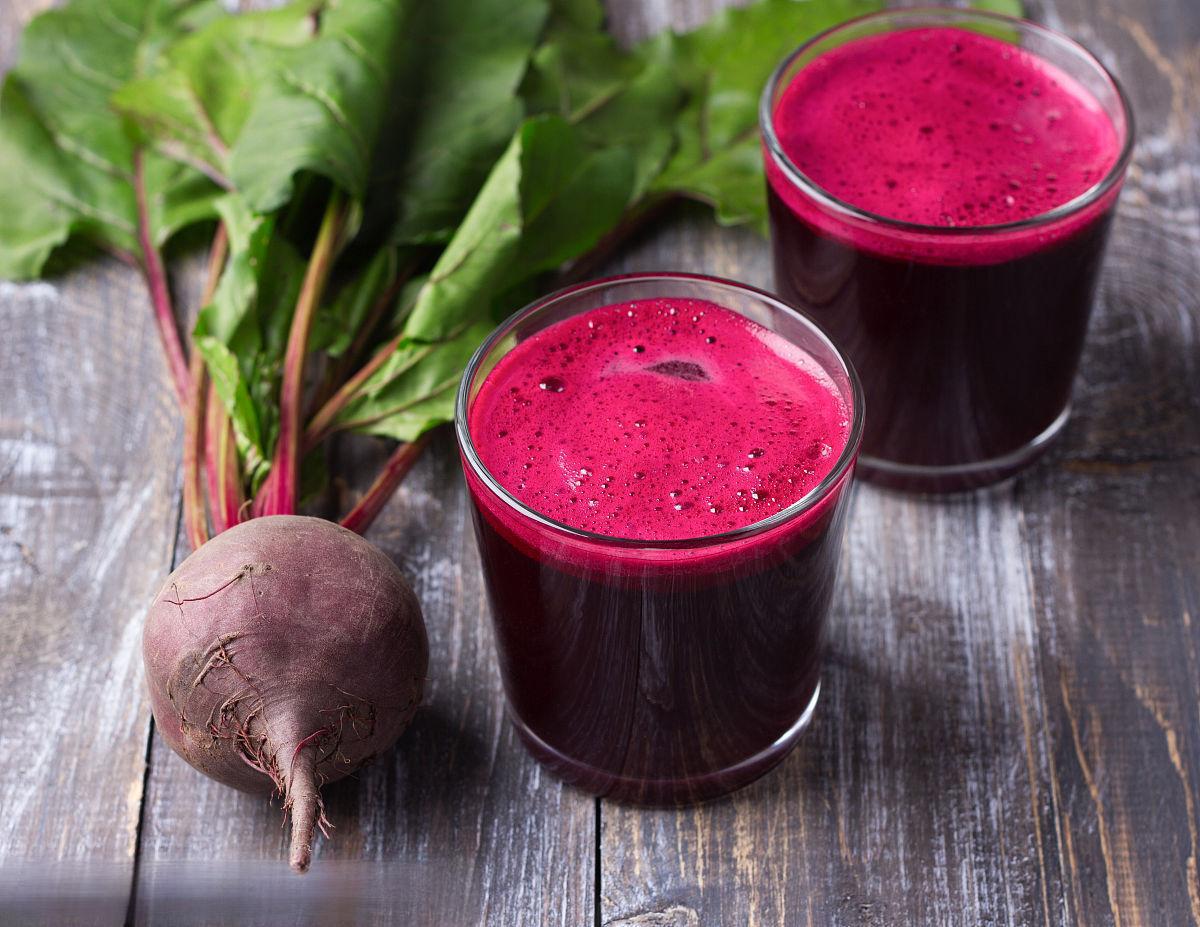
The antioxidant power of ellagic acid in pomegranate juice is three times that of green tea, and betaine in beet juice can reduce systolic blood pressure by 8-10mmHg.
3.Retention rate stability
The bioavailability of lycopene in tomato juice increases by 35% after pasteurization (fat-soluble release), while the vitamin C in orange juice loses 40% after 24 hours of extraction.
4.Fiber retention
The dietary fiber of orange juice with pulp (1.5g/100ml) far exceeds that of clarified juice (0.1g), which effectively delays sugar absorption.
| Scientific evaluation of five types of healthy juices |
|
Juice type
|
Core nutrients
|
Sugar content per 250ml
|
Health benefits
|
Daily limit
|
|
Pomegranate juice
|
Ellagic acid + anthocyanin
|
32g
|
Cardiovascular protection + anti-inflammatory
|
120ml
|
|
Tart cherry juice
|
Melatonin + anthocyanin
|
25g
|
Improve sleep + relieve myalgia
|
150ml
|
|
Beet juice
|
Nitrate + betaine
|
13g
|
Lower blood pressure + improve exercise endurance
|
200ml
|
|
Tomato juice (salt-free)
|
Lycopene + glutathione
|
8g
|
Prostate protection + anti-oxidation
|
300ml
|
|
Prune juice
|
Sorbitol + cellulose
|
35g
|
Laxative + bone protection (boron element)
|
80ml
|

Five golden juices: scientifically proven healthy choices
1. Pomegranate juice: the king of antioxidants
Iranian research shows that drinking 120ml of pomegranate juice every day for 4 weeks can increase the stability of atherosclerotic plaques by 35%, and its anti-inflammatory effect is better than aspirin (and there is no risk of bleeding).
Drinking time: after breakfast with nuts (nut fat promotes the absorption of fat-soluble ingredients).
2. Sour cherry juice: natural analgesic
Marathon runners drink 150ml daily 7 days before the race, and the muscle pain score after the race is reduced by 47%, and the sleep efficiency is improved by 15% (melatonin precursor effect).
Risk warning: People with excessive stomach acid should avoid drinking on an empty stomach.
3. Beet juice: blood pressure regulator
British experiments have confirmed that: patients with hypertension drink 200ml of beet juice daily, and the systolic blood pressure drops by an average of 8mmHg (nitrate → nitric oxide → vasodilation).
Enhancement plan: with spinach rich in VC (to prevent nitrite conversion).
4. Tomato juice (salt-free): low-sugar and high-nutrition benchmark
The bioavailability of lycopene increases 3 times after heating, and 300ml per day reduces the risk of prostate cancer by 21% (10-year follow-up by Harvard Medical School).
Pitfall avoidance guide: choose salt-free (commercial products often contain 700mg/can of sodium).
5. Prune juice: Intestinal emergency soldier
Sorbitol + fiber combination stimulates intestinal peristalsis, 80ml laxative effect ≈ 500g pitaya, but the sugar content is as high as 35g/250ml, so it needs to be strictly controlled.
Health risk decryption: When "health juice" becomes "harmful to the body"
High sugar trap: fructose metabolic hidden arrow
More than 200ml of juice per day (fructose>15g) will increase the liver fat synthesis rate by 27% (non-alcoholic fatty liver risk), and increased uric acid levels will induce gout (fructose metabolites).
Tooth erosion: invisible killer
Lemon juice (pH=2.3) has 4 times the enamel corrosion power of cola. Apple juice soaked teeth for 7 days, enamel mass loss 12mg/cm². You can drink through a straw + brush your teeth after 30 minutes for protection.
Nutritional imbalance: the price of fiber deficiency
Replacing fruit with juice for a long time, lack of satiety leads to excessive calories (1 cup of orange juice = 5 oranges of sugar, only 20% satiety), insufficient prebiotics, and a 40% decrease in intestinal flora diversity.
Precise drink selection plan for special groups
|
People
|
Recommended juice
|
Taboo juice
|
Scientific basis
|
|
Diabetic patients
|
Tomato juice + cucumber juice
|
Mango/grape juice
|
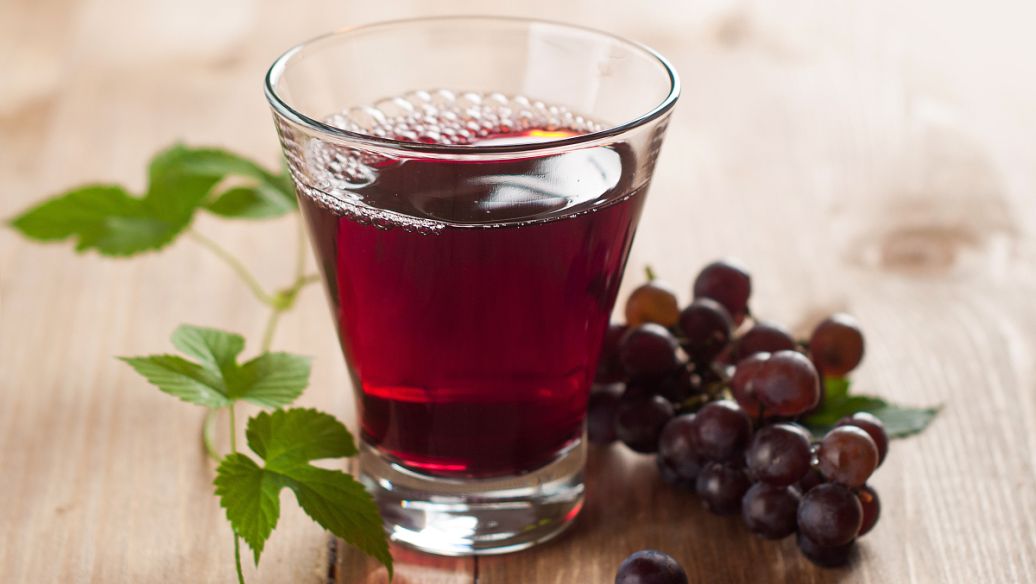
Tomato juice GI = 38, blood sugar fluctuations are smooth
|
|
Hypertensive patients
|
Beet juice + celery juice
|
High sodium vegetable juice
|
Beet nitrate dilates blood vessels
|
|
Pregnant women
|
Orange gravy (folic acid supplement)
|
Grapefruit juice (drug interference)
|
Folic acid prevents neural tube defects
|
|
Fitness people
|
Sour cherry juice (after exercise)
|
High sugar juice (before exercise)
|
Relieve muscle inflammation
|
FAQ: Decoding the classic misunderstanding of juice health
Q1: Can 100% pure juice replace fruit?
No! Juicing loses 90% of fiber and 50% of vitamin C, and the satiety is only 1/5 of that of whole fruit. The daily juice intake should be ≤150ml, and the intake of an equal amount of fruit needs to be reduced.
Q2: Is NFC juice necessarily healthier than concentrated reconstituted juice?
Not necessarily. Although NFC (non-concentrated reconstitution) retains more flavor substances, the sterilization temperature often reaches 110℃, and the loss of heat-sensitive nutrients (such as VC) is equivalent to that of concentrated juice. It is better to choose HPP ultra-high pressure cold sterilization technology (4℃ treatment).
Q3: Is the fruit and vegetable juice detoxification method scientific?
Pseudoscience! A study by Northwestern University showed that after a 3-day diet of pure fruit and vegetable juice, oral inflammatory bacteria increased by 200%, and the intestinal flora disorder index increased. The human liver and kidneys have their own detoxification system and do not require juice intervention.
In short, if consumers want to choose original juice instead of "reconstituted juice", they can choose products such as NFC (non-concentrated reconstitution juice) or HPP (ultra-high pressure sterilized juice). Compared with "reconstituted juice", NFC can indeed retain the nutrition and flavor of fruits to a greater extent, and consumers can make reasonable choices according to their own needs. A truly healthy glass of juice does not depend on how much halo it is given, but on how you use science to control its power.

