Green leafy vegetables are rich in vitamin K, folic acid, vitamin B2 and vitamin C. They also contain a lot of potassium, magnesium, calcium, flavonoids, lutein, carotene, chlorophyll, nitrates, dietary fiber... All kinds of nutrients are high in content, especially women should eat more."Life Times" combined the views of many experts, sorted out the nutrition of a green leafy vegetable, and listed the 6 most important nutrients for women.
Green leafy vegetables are rich in vitamin K, folic acid, vitamin B2 and vitamin C. They also contain a lot of potassium, magnesium, calcium, flavonoids, lutein, carotene, chlorophyll, nitrates, dietary fiber... All kinds of nutrients are high in content, especially women should eat more.
"Life Times" combined the views of many experts, sorted out the nutrition of a green leafy vegetable, and listed the 6 most important nutrients for women.
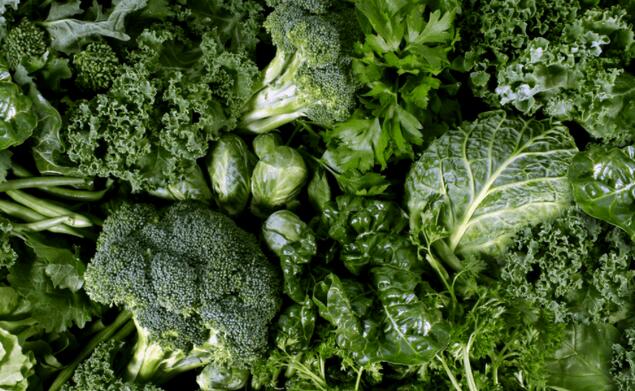
A green leafy vegetable, more than a dozen nutrients
Professor Fan Zhihong of the College of Food Science and Nutrition Engineering of China Agricultural University summarized the 9 benefits of green leafy vegetables.
- Beneficial in preventing osteoporosis
Containing sufficient potassium and magnesium can reduce the loss of calcium, and vitamin K is necessary for calcium to be deposited on collagen.
- Beneficial in protecting eyesight
Providing a large amount of carotene and lutein, both of which are beneficial to eye health and protect eyesight.
- Beneficial in supplementing vitamins
Not only can it provide a considerable amount of vitamin B2, but it is also rich in vitamin C.
- Beneficial in preventing birth malformations
The most important source of folic acid in the diet, lack of folic acid will lead to an increased risk of birth malformations.
- Beneficial for preventing and controlling high blood pressure
Providing a large amount of potassium, calcium, and magnesium, all of which can counteract the blood pressure-raising effect of sodium to a certain extent.
- Beneficial for weight control
Dietary fiber content is high, which can increase satiety, slow down the emptying speed of food in the stomach, and help control food intake.
- Beneficial for preventing diabetes
Several epidemiological studies have shown that a high intake of green leafy vegetables reduces the risk of diabetes.
- Beneficial for preventing coronary heart disease
Epidemiological studies have shown that people who eat more vegetables have a lower mortality rate from cardiovascular disease, especially ischemic heart disease.
- Beneficial for preventing cognitive degeneration
Studies have shown that among fruits and vegetables, dark green leafy vegetables are the most beneficial for preventing cognitive degeneration.
Women should eat these 6 kinds of green leafy vegetables
China registered nutritionist Gu Chuanling specially recommends that female friends eat green leafy vegetables frequently for the following reasons.
-
It helps supplement calcium:The "Report on the Nutrition and Chronic Disease Status of Chinese Residents (2020)" shows that the prevalence of osteoporosis in men over 40 years old in China is 4.4%, and that in women is as high as 20.9%.Women should take calcium supplements from a young age to increase bone mass accumulation. Green leafy vegetables are not only rich in calcium, but also rich in vitamin K, which can promote calcium deposition on bones.
-
High in vitamin C:Women from adulthood to menopause need 20 mg of iron per day, and 25-35 mg during pregnancy and lactation. The trivalent iron in plant foods cannot be directly absorbed by the human body, and vitamin C can convert it into divalent iron that can be directly absorbed.
-
Rich in antioxidant ingredients:In addition to vitamin C, green leafy vegetables are also rich in beta-carotene, alpha-tocopherol, lutein, and zeaxanthin, which can better resist oxidation and inflammation when combined.
-
Rich in isothiocyanates:Isothiocyanates and their metabolites can promote the conversion of estrogen into 2-hydroxyestrone, thereby weakening the proliferation and carcinogenesis of breast cells caused by estrogen. In layman's terms, eating more of these vegetables can reduce the risk of breast cancer.
-
Rich in folic acid:Women in the pre-pregnancy and pregnancy period should pay attention to supplementing folic acid, and green leafy vegetables are its most important dietary source.
Gu Chuanling selected the six most recommended dark green vegetables for women from more than 20 common dark green vegetables, namely spinach, mustard greens, pakchoy, wood ear vegetables, kale, and broccoli. They are rich in more nutrients and the content is not low. It is recommended to eat at least 2 fists (200 grams) a day.
|
Types of green leafy vegetables
|
Number of nutrients
|
Types of nutrients
|
|
Spinach
|
7
|
Vitamin K, vitamin C, beta-carotene, alpha-tocopherol, lutein, zeaxanthin, folic acid
|
|
Mustard vegetable
|
7
|
Calcium, vitamin K, alpha-tocopherol, lutein, zeaxanthin, isothiocyanate, folic acid
|
|
Pakchoy
|
5
|
Calcium, vitamin K, vitamin C, beta-carotene, isothiocyanate
|
|
Fungus vegetable
|
4
|
Calcium, vitamin C, beta-carotene, alpha-tocopherol
|
|
Kale
|
4
|
Calcium, vitamin C, beta-carotene, isothiocyanate
|
|
Broccoli
|
4
|
Vitamin K, vitamin C, isothiocyanate, folic acid
|
Green leafy vegetables, 10 ways to make them taste good
Many people think that green leafy vegetables taste bad, like eating grass. Wang Xingguo, director of the Nutrition Department of Dalian Central Hospital, recommends 10 ways to make them taste good.
Applicable to rapeseed, pakchoy, choy sum, lettuce, water spinach, lettuce leaves, etc.
Method: Wash and cut the green leafy vegetables into sections, add oil to a hot pan, and stir-fry the green leafy vegetables after the oil is hot.
Suitable for green leafy vegetables with special smells such as chrysanthemum, kale, mustard greens, black fungus, purple moss, pea seedlings, etc.
Method: Add oil to a hot pan, add garlic to the hot oil and stir-fry until fragrant, then add the green leafy vegetables and stir-fry and season.
Suitable for Chinese cabbage, black fungus, Chinese cabbage, lettuce, lettuce, watercress, lettuce leaves, water spinach, etc.
Method: Bring water to a boil, add oil and salt, ginger, onion, chicken essence, light soy sauce, vinegar and other condiments to season, add green leafy vegetables (spinach, amaranth, water spinach, etc. should be blanched first), and cook quickly.
- Blanch first and then mix
Suitable for cooking a variety of green leafy vegetables, the most typical of which are oyster sauce lettuce and blanched kale.
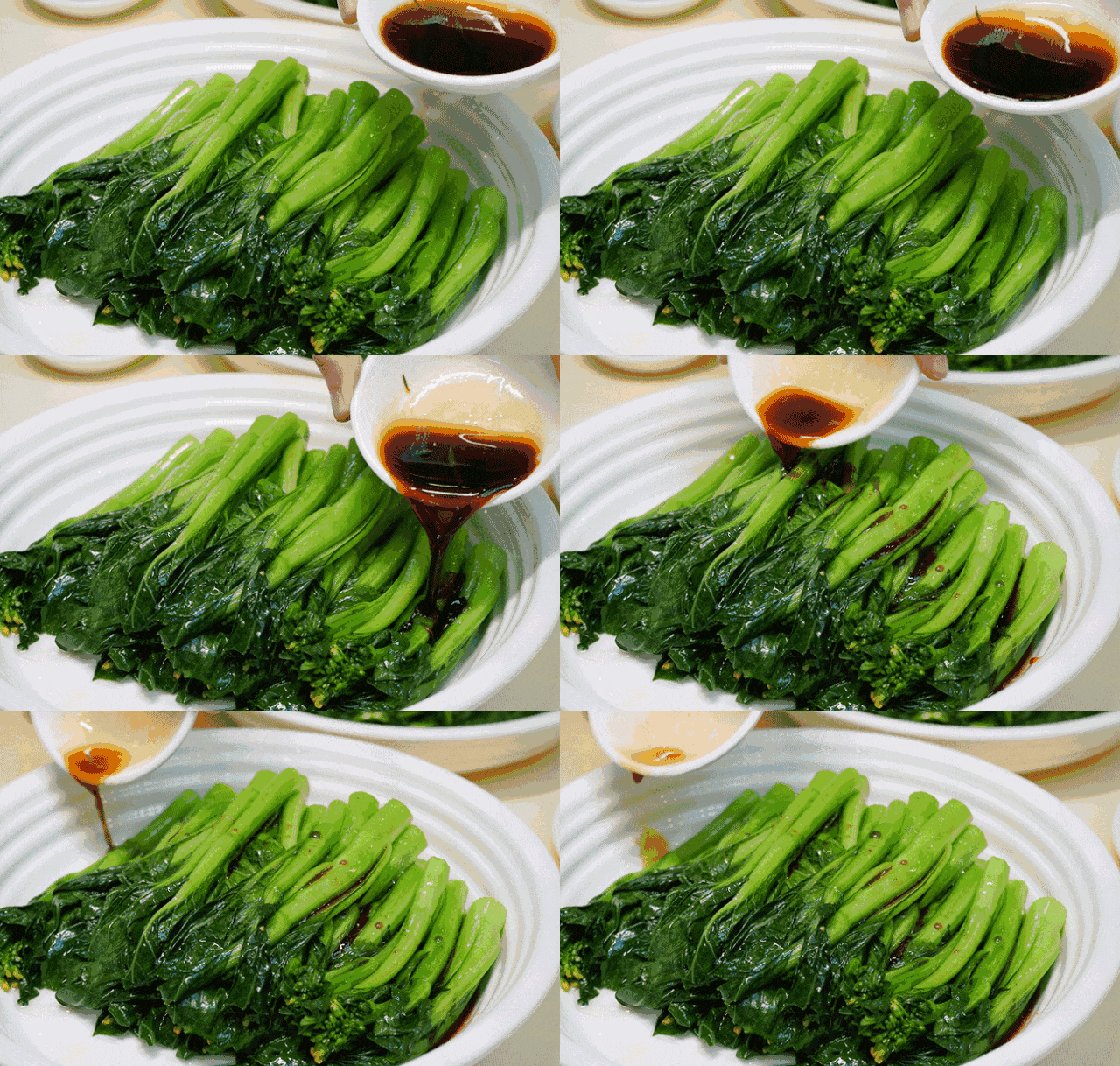
Method: Bring water to a boil, add green leafy vegetables, cook until done, remove and drain. According to your preference, mix with various sauces and cooking oils such as oyster sauce, soy sauce, sesame paste, peanut butter, chili sauce, soybean paste, sweet noodle sauce, beef sauce, mushroom sauce, shacha sauce, seafood sauce, etc.
Suitable for cooking a variety of green leafy vegetables, such as rapeseed, chrysanthemum, etc.
Method: Wash the green leafy vegetables, put them in a boiling steamer, steam them until soft, take them out, drain the water, and mix them with various sauces you like.
Suitable for some green leafy vegetables with lighter taste, such as lettuce, lettuce, lettuce leaves, bitter chrysanthemum, etc.
Reminder: Salad dressing or Thousand Island dressing has high calories, it is beneficial to eat less, it can promote the absorption of nutrients such as carotene and vitamin K, and eating a lot will lead to excessive fat intake; Chinese raw mixed vegetables should also pay attention to the oil and salt should be less rather than more.
Suitable for various green leafy vegetables
Method: Heat the pan with oil, add shredded pork, onion, ginger, garlic, etc. to stir-fry, then add green leafy vegetables and stir-fry and season.
Suitable for cooking leeks, Chinese cabbage, rapeseed, spinach, wood ear vegetable, Chinese cabbage, chrysanthemum, shallots and purple moss.
Method: First fry the eggs and serve, then add oil to the pan to fry the green leafy vegetables, then pour the fried eggs back, stir-fry and mix and season.
Suitable for bitter chrysanthemum, Chinese cabbage, lettuce, lettuce, celery leaves, shallots, radish leaves, radish sprouts, chicken feathers, lettuce leaves, coriander, bitter herbs, etc.
Method: The sauce can be selected from soybean sauce, sweet noodle sauce, seafood sauce, shrimp paste, beef sauce, etc.
Spinach, rapeseed, Chinese cabbage, Chinese cabbage, lettuce, leek, lettuce, celery leaves, lettuce leaves, watercress, shepherd's purse, etc. are all suitable for stuffing.
Tips
-
Green leafy vegetables are most likely to wilt and lose vitamins, and storage at room temperature increases the nitrite content, so it is best to eat them within 3 days.
-
It is recommended to wrap green leafy vegetables with soft paper, put them in a food plastic bag and put them in the refrigerator. Be careful not to put them close to the inner wall of the refrigerator to avoid frostbite.
-
After cooking, they cannot be left at room temperature. If you cannot finish one meal, you must put them in the refrigerator in time to inhibit bacterial growth.

