The mechanism of using cola to treat gastric stones is that carbonated beverages can neutralize the tannic acid protein in plant gastric stones. The two can produce a chemical reaction, and the product is carbon dioxide + water + soluble sodium tannate. Carbon dioxide has a certain pressure (the pressure depends on the amount of carbon dioxide), and the pressure produces penetration and impact force, which can make the surface and inside of gastric stones soft, thereby cracking gastric stones.
Many people have heard that "drinking cola dissolves gastric stones". What is its principle? Is there any scientific basis?
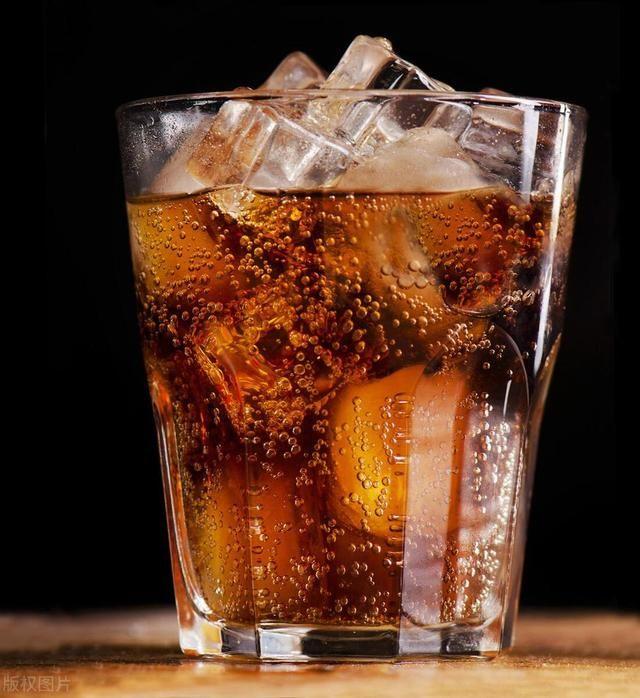
The mechanism of using cola to treat gastric stones is that carbonated beverages can neutralize the tannic acid protein in plant gastric stones. The two can produce a chemical reaction, and the product is carbon dioxide + water + soluble sodium tannate. Carbon dioxide has a certain pressure (the pressure depends on the amount of carbon dioxide), and the pressure produces penetration and impact force, which can make the surface and inside of gastric stones soft, thereby cracking gastric stones. Moreover, cola contains carbonic acid and phosphoric acid, which can combine with inorganic substances such as calcium in gastric stones to destroy the polymeric substances of stones.
In other words, there is a theoretical basis for using cola to treat high-tannic plant gastric stones, but we do not recommend that patients use this method for treatment without authorization. Most patients with gastric stones seek medical treatment because of symptoms of gastric ulcer. Carbonated beverages are irritating and rich in acidic substances and caffeine, which will stimulate gastric acid secretion, further aggravate the irritation of gastric acid on the gastric mucosa, further aggravate the ulcer lesions, and make patients more prone to complications such as gastric bleeding or gastric perforation.
Which patients are suitable for "drinking cola to dissolve gastric stones"? This method is suitable for acute, soft, high-tannic acid gastric stones, such as hawthorn stones and persimmon stones, and patients without gastric ulcers. This therapy has a poor effect on chronic gastric stones and black date stones. The hardness of black date stones is significantly greater than that of hawthorn stones and persimmon stones. Doctors often need to grind them with instruments under gastroscopy, and then discharge them through the gastric antrum (the outlet of the stomach), and then combine them with drug dissolving methods for treatment. Patients with gastric stones whose stones in the stomach are hard and large in size and have failed gastroscopy treatment, as well as patients with massive gastrointestinal bleeding, obstruction, and perforation, should choose surgical treatment.
How to avoid "stones" in the stomach?
The most common hazards of gastric stones are multiple gastric ulcers, multiple erosions of gastric mucosa and gastrointestinal bleeding. The formation of gastric ulcers is mainly due to the stimulation and damage of gastric stones to the local mucosa, that is, the physical damage caused by the friction of gastric stones. Larger stones can cause gastric outlet obstruction, while small stones can enter the small intestine through the gastric outlet, sometimes causing small intestinal obstruction, causing patients to experience abdominal pain, vomiting and other symptoms. The most serious case is the occurrence of acute abdomen such as gastric perforation, active gastric bleeding or peritonitis. Therefore, patients with gastric stones should seize the time for treatment, and high-risk groups should pay attention to prevention and management.
Control the intake of related foods Avoid eating too much persimmon, hawthorn, black dates and other foods with high tannic acid content on an empty stomach, especially those with a history of gastric surgery, those with diabetes or using semaglutide, those who lose weight by fasting and those with hypothyroidism. The elderly and children should also pay attention to the appropriate intake of persimmons, hawthorns, black dates, etc.
Improve gastric motility Eat regularly, insist on appropriate outdoor exercise, and maintain a relaxed and happy mood. This can increase gastric motility and improve digestion. People at high risk of gastric stones can use drugs such as domperidone tablets and mosapride citrate to promote gastrointestinal motility to prevent gastric stones under the guidance of doctors.

