Recently, a research team from the Plastic Surgery Hospital of the Chinese Academy of Medical Sciences published a study in the Journal of Cosmetic Dermatology that will make coffee lovers happy. This study revealed an inverse relationship between regular coffee drinking and facial skin aging through Mendelian randomization analysis. In short, people who drink coffee regularly are more likely to have facial skin aging. The risk is lower and you'll look younger!
Recently, a research team from the Plastic Surgery Hospital of the Chinese Academy of Medical Sciences published a study in the Journal of Cosmetic Dermatology that will make coffee lovers happy. This study revealed an inverse relationship between regular coffee drinking and facial skin aging through Mendelian randomization analysis. In short, people who drink coffee regularly are more likely to have facial skin aging. The risk is lower and you'll look younger!
The study included more than 16,000 participants, mostly between the ages of 45 and 65. The researchers analyzed the causal relationship between drinking tea, coffee, alcoholic beverages and sugary drinks and facial skin aging. The results showed that only coffee significantly reduced the risk of facial skin aging, and coffee intake could reduce the probability of facial aging by 15%. This discovery not only brings good news to coffee heads, but also provides a new direction for skin anti-aging research.
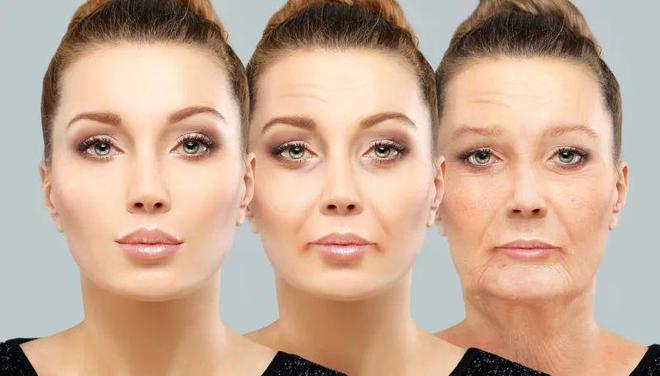
How coffee may delay skin aging
In the discussion section of the study, the research team analyzed the mechanism by which coffee may delay skin aging.
1. The power of antioxidants
Coffee is rich in polyphenols, such as chlorogenic acid, which are powerful antioxidants. They neutralize free radicals, which can damage skin cells and accelerate skin aging. By removing these harmful molecules, coffee helps protect skin from daily environmental damage.
2. Anti-inflammatory effect
Coffee’s anti-inflammatory properties help reduce skin inflammation, which can lead to wrinkles and sagging skin over time. Coffee helps keep skin healthy and firm by reducing inflammation.
3. Promote skin cell vitality
The active ingredients in coffee stimulate skin fibroblasts, the cells responsible for producing collagen and elastin, which are key to maintaining skin structure and elasticity. This helps reduce the formation of wrinkles and keeps the skin smooth and elastic.
4. Moisturize and prevent moisture loss
Coffee increases the expression of aquaporins in skin cells, which helps the skin retain moisture and prevent dryness, thereby reducing the fine lines and wrinkles caused by dryness.
5. Extend cell life
Caffeine can extend the length of cell telomeres. Telomeres are a sign of cellular aging, and their shortening is related to cellular aging. By lengthening telomeres, caffeine helps slow down the cellular aging process.
In short, the various ingredients in coffee work together to help slow down skin aging and keep the skin young through antioxidant, anti-inflammatory, moisturizing and promoting cell vitality. However, this does not mean that coffee can replace other healthy lifestyles, professional skin care and medical beauty methods, but as an auxiliary means, or an additional benefit for coffee heads.
Effects of other drinks on skin aging
In addition to coffee, this study also analyzed the effects of several other beverages on skin aging:
1. tea
Although the polyphenols contained in tea have antioxidant effects and may theoretically have a protective effect on the skin, the data from this study did not find a direct link between drinking tea and skin aging. This may mean that the effects of drinking tea on skin are not obvious, or that more research is needed to clarify.
2. alcohol
Research results suggest that alcohol accelerates aging. Drinking alcohol can make your skin look older, especially if you drink a lot. Alcohol may cause the skin to lose elasticity and deepen wrinkles.
3. sugary drinks
The sugar in sugary drinks may combine with proteins in the skin to form harmful substances. This process is called glycation, which can cause the skin to lose its elasticity and accelerate the aging process.
In addition to anti-aging, coffee has many unexpected benefits
The health benefits of coffee go far beyond the traditionally known refreshing effects and the new anti-aging findings of the above-mentioned studies. There are many other unexpected benefits to drinking coffee in moderation.

1. Cardiovascular system
Existing research shows that the consumption of coffee or caffeinated beverages is not related to the risk of cardiovascular disease. On the contrary, a systematic review that included 11 prospective studies involving tens of thousands of cases of stroke (commonly known as stroke) suggested that moderate coffee drinking was inversely related to the risk of stroke, that is, moderate coffee drinking was found to be associated with stroke. protective factors.
2. type 2 diabetes
Research suggests that coffee drinking is inversely related to the risk of type 2 diabetes, that is, long-term coffee consumption may be related to a reduced risk of type 2 diabetes.
3. Gout prevention
For men, drinking moderate amounts of coffee every day may reduce the incidence of gout.
4. Cancer
Existing medical research suggests that coffee does not pose a cancer risk. Coffee may also reduce the risk of liver cancer, endometrial cancer and breast cancer.
These benefits make coffee more than just a drink, but a healthy lifestyle choice.
Although the coffee is good, don’t be greedy
So how should you drink coffee?
1. Risks of Too Much Caffeine
Excessive caffeine intake may cause insomnia, anxiety, heart palpitations and other adverse reactions.
2. Safe upper limit of caffeine intake
The recommended daily caffeine intake for normal adults is no more than 400mg.
3. Intake recommendations for special groups of people
Although coffee has many health benefits, it is not suitable for everyone. The following groups of people should be cautious:
① Lactating and pregnant women: You can still drink coffee every day during lactation and pregnancy, but the daily caffeine intake is not recommended to exceed 200mg.

② Patients with gastric ulcer and gastroesophageal reflux disease: Caffeine may aggravate gastroesophageal reflux symptoms. These people should consider reducing or avoiding drinking coffee.
③People who are sensitive to caffeine: Some people may feel flustered or uncomfortable after drinking coffee. For such individuals, it is recommended to reduce their coffee drinking or choose low-caffeine or caffeine-free alternatives.
④ People with sleep disorders: Caffeine may affect sleep quality. If you find it difficult to fall asleep at night after drinking coffee, it is best to avoid drinking coffee in the late afternoon or evening.
⑤ Caffeine is not only in coffee: In addition to coffee, caffeine may also be hidden in these things: milk tea, chocolate and chocolate products, cocoa products, matcha, cola, functional drinks, and some compound cold medicines.
However, although coffee can delay skin aging, we must realize that although coffee is good, it is not the master key to anti-aging. Maintaining a good lifestyle, a balanced diet, proper exercise, sun protection, skin care, and medical beauty treatments can fight skin aging, which cannot be replaced by coffee.

