Although many fruits can be eaten all year round, they are most economical to eat when they are in season. The seasonal fruits of the Spring Festival include strawberries, pineapples, cherries, loquats, mulberries, and mangoes. Let's first compare their conventional nutrition, namely energy, sugar, dietary fiber, vitamin C, etc.
Although many fruits can be eaten all year round, they are most economical to eat when they are in season. The seasonal fruits of the Spring Festival include strawberries, pineapples, cherries, loquats, mulberries, and mangoes. Let's first compare their conventional nutrition, namely energy, sugar, dietary fiber, vitamin C, etc.
| Nutritional Comparison of Fruits in Spring |
| Fruit |
Strawberry |
Pineapple |
Cherry |
Loquat |
Mulberry |
Mango |
| Energy (kcal/100g) |
32 |
44 |
46 |
41 |
55 |
52 |
| Sugar (g/100g) |
4.86 |
11.4 |
13.9 |
8 |
8.1 |
6.97 |
| Dietary Fiber (g/100g) |
1.8 |
0.9 |
1.3 |
1.7 |
1.7 |
1.6 |
| Vitamin C (mg/100g) |
47 |
18 |
10 |
8 |
36.4 |
14 |
| Potassium (mg/100g) |
131 |
113 |
232 |
122 |
32 |
153 |
| GI |
40 |
66 |
32 |
- |
- |
55 |
By comparison, it can be seen that among the six items compared, strawberries have four topped the list, namely:
The lowest energy, the lowest sugar content, the highest dietary fiber content, and the highest vitamin C content.
The remaining two items also performed well. Although the glycemic index (GI) is higher than that of cherries, it is also a low-GI fruit. The potassium content is lower than that of cherries and mangoes, but the content is also in the middle.
So from the perspective of conventional nutrition, among the six seasonal fruits in spring, strawberries are undoubtedly the most worthwhile fruit to eat, and it is strongly recommended to eat them frequently.
Next, let's talk about the nutritional characteristics of these 6 fruits, as well as the misunderstandings about eating, selection methods and storage methods.
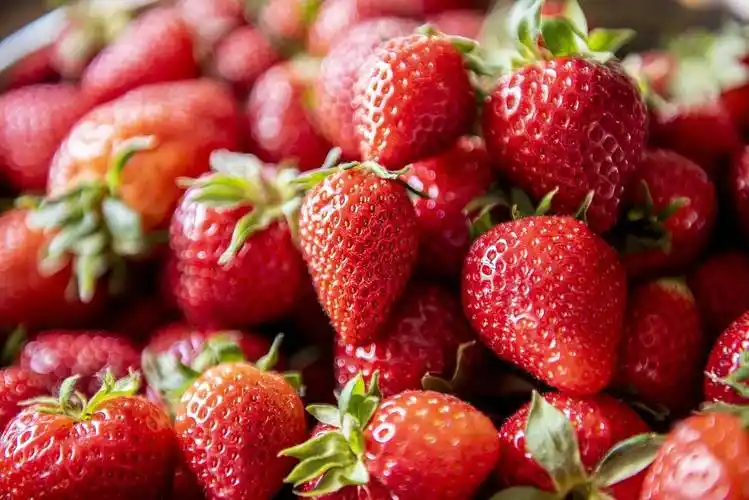
Strawberries
Strawberries are masters at supplementing folic acid:
In addition to the nutritional advantages mentioned above, strawberries are also rich in folic acid, with a folic acid content of up to 90 micrograms/100 grams. Eating 10 large red strawberries (340 grams) can supplement 306 micrograms of folic acid within the recommended amount of fruit, reaching 76.5% of the daily folic acid requirement of ordinary adults.
Don't think that only women who are preparing for pregnancy, pregnant and breastfeeding need folic acid supplements. Ordinary people lack folic acid, and homocysteine in the body is prone to increase, which is an independent factor in cardiovascular disease.
Strawberries are rich in a variety of antioxidant ingredients:
For example, anthocyanins, flavonoids and polyphenols, they can all be antioxidant and anti-inflammatory. Doing a good job of antioxidant and anti-inflammatory can not only better resist aging, but also reduce the risk of various chronic diseases. Anthocyanins are water-soluble. When washing, some strawberry cells are broken. Anthocyanins dissolve in water, and the water turns red. This is not dyed by merchants.
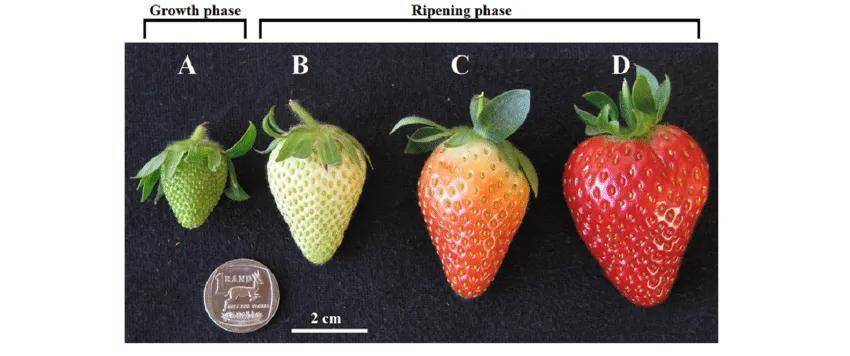
There are two key points to choosing strawberries:
-
Choose strawberries that are red throughout and have firm leaves. This means that the strawberries are ripe but not overripe. They taste the best, soft, juicy, sweet and delicious.
-
Choose strawberries that are not dented. Once strawberries are dented, they are easily contaminated by microorganisms, increasing the risk of food poisoning. For example, if there is a full pot of strawberries, the strawberries at the bottom are easily squeezed, and small vendors often put the bad ones at the bottom.
The best way to remove pesticide residues from strawberries:
Among the methods for removing pesticide residues from strawberries, ultrasonic waves are the best, followed by ozone, and then running water washing. Considering that running water washing can remove 19.8 to 68.1% of pesticide residues, it is the most economical and hassle-free. The qualified rate of pesticide residues in fruits and vegetables in our country is also very high, so I usually just rinse and eat them.
2 key points for strawberry storage:
-
First, it must be refrigerated. Even so, it must be eaten within 1-3 days and washed before eating.
-
Second, it must be packed in a separate box or bag, and must be kept separate from raw meat to avoid cross contamination.
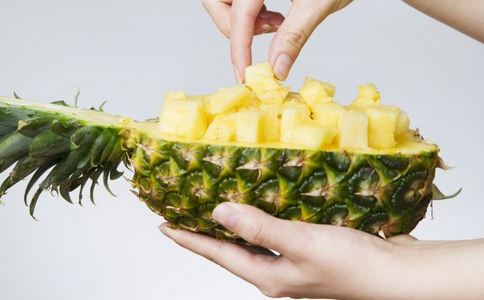
Pineapple
The seller said that pineapple is not pineapple. Pineapple leaves are smooth and have no thorns. The skin is thin and the flesh is not pores. You can eat it by just peeling off a shallow layer. The taste is sweeter and tenderer. Naturally, it is sold at a higher price. This is actually an IQ tax.
Pineapple is just another name for pineapple. There are many varieties of pineapple, such as golden pineapple and golden pineapple. The fruit eyes are very shallow. You can eat it by just peeling off a shallow layer.
Among them, the soluble sugar, titratable acid, and soluble solid content of the golden pineapple variety are significantly higher than those of the golden pineapple, golden diamond, Cain, and Bali varieties, and the soluble sugar and soluble solid content is almost twice that of other varieties. It tastes the best among these pineapples, followed by golden pineapple, Bali, Cain, and golden diamond. Therefore, it is recommended that you focus on the variety when choosing pineapples.
Two key points for choosing pineapples:
-
Choose heavy ones for the same size, which means more water.
-
Choose upright and firm leaves.
Upright and firm leaves mean fresher. The reason for choosing fresher ones is that pineapples are non-climacteric fruits. Even if they are placed together with bananas that easily release ethylene, they cannot continue to mature. For example, the sugar content and flavor substances will not increase. Moreover, pineapples are harvested based on the sugar content rather than the color of the pineapple. Therefore, you don’t need to pay too much attention to the color when choosing pineapples. Just choose leaves that are firm and fresh, so that more nutrients such as water and vitamin C can be retained. In addition, you should eat them as soon as you buy them, otherwise they will become less and less fresh.
Some friends may say that if you put pineapple and banana together, the skin will turn yellow after a few days. Isn't this ripening? No, ethylene can make the leaf green in the skin fade, but it has no effect on the various components in the flesh.
Heating is the most effective way to prevent pineapple from pricking your mouth:
The main reason why pineapple pricking your mouth is that the rich bromelain stimulates the oral mucosa. Heating can destroy the enzyme activity, so if you feel pricking your mouth when eating pineapple, it is recommended to grill the pineapple or make pineapple fried rice. As for soaking in salt water, it can't destroy the enzyme activity and protect the bromelain from being destroyed.
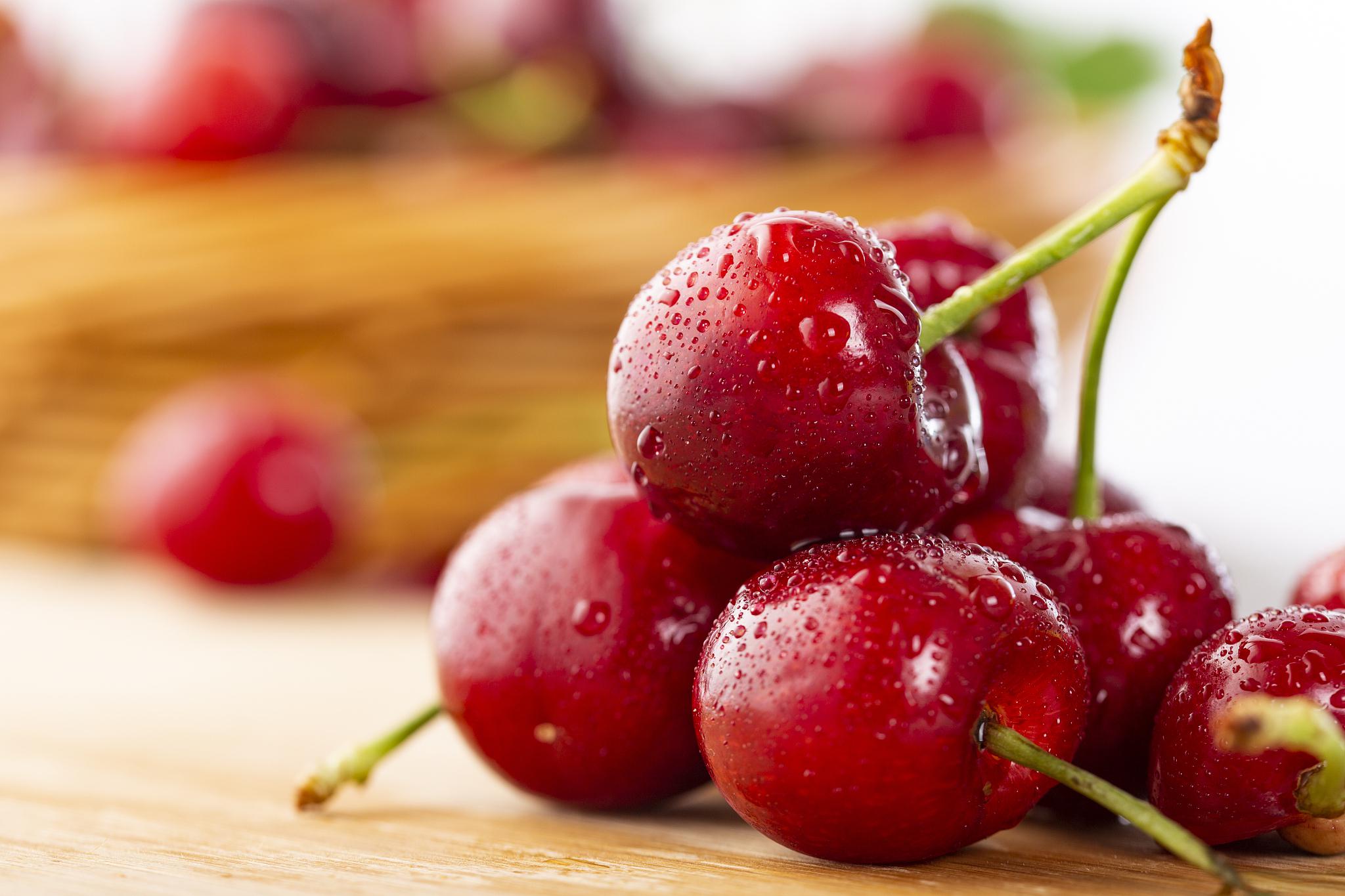
Cherries
When talking about cherries, you must mention cherries. Cherries are European sweet cherries among cherries. They belong to "cherry peaches" and are not other fruits. The nutritional difference between them and other cherries is also very small. They are larger than most local cherries, but they are so expensive when they are shipped across the ocean. It is really expensive to eat them often, so it is better to wait until cherries are on the market in May and then enjoy them.
Cherries have the highest potassium content among these 6 fruits. In addition, they have the lowest GI and are very friendly to blood sugar control. Some people say that eating red cherries will definitely replenish blood, but this is really not possible. Its iron content is very low. The reason why it is red is that it is rich in anthocyanins. The darker the color, the higher the anthocyanin content.
Tips for selecting cherries:
Choose cherries with full fruits and bright green and firm stems. Such cherries are fresher. Like pineapples, they will not continue to mature after leaving the tree, so eat them as soon as you buy them and refrigerate them. The longer they are stored, the more serious the aging, the worse the taste, and the more serious they are, the more corrupted they will be.
Loquat
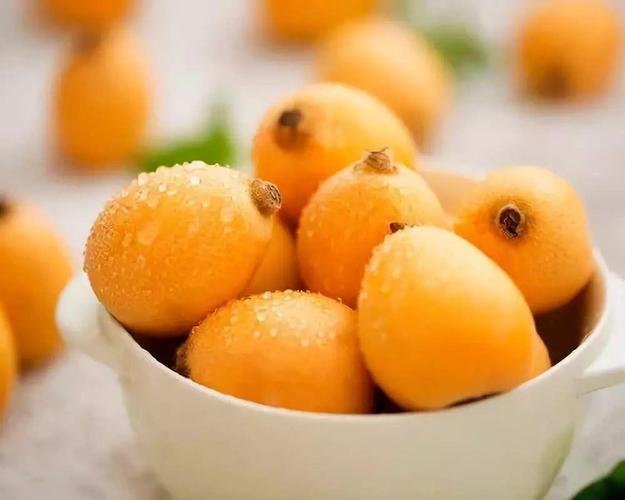
There is not much to say about loquat. As a yellow fruit, it is rich in β-carotene, with a content of 798 micrograms/100 grams, which is about 70% of mango. After all, its color is not as yellow as mango, and the β-carotene content is naturally lower. β-carotene is not only antioxidant, but also can be converted into vitamin A in the body, which is helpful for eye and skin health.
In addition, you may have heard that loquats can relieve coughs, but nutritionally speaking, they really don't have this effect; in addition, don't eat loquat kernels, which contain cyanogenic glycosides like bitter almonds and can easily cause poisoning.
Tips for choosing loquats:
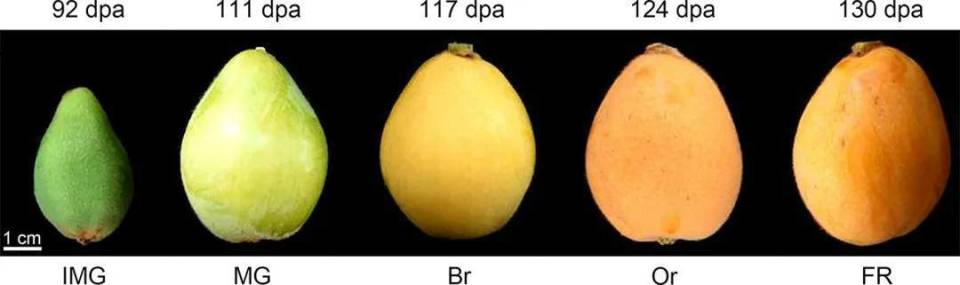
If the loquats are produced locally, it is best to buy the orange-red ones shown in the right 1 in the picture below, which are fully ripe and have the best taste. If it is not the place where loquats are produced, we can probably only buy the orange ones shown in the right 2 in the picture below, or even the orange-yellow ones in the middle, which will taste worse. This is because loquats, like pineapples, are non-climacteric fruits. They stop ripening after being picked, but they are not resistant to storage when they are ripe, so they must be eaten quickly. If they are refrigerated, they are prone to lignification and browning, so loquats shipped to other places will be harvested when they are not quite ripe.
Mulberries
Mulberries are rich in proanthocyanidins and anthocyanidins, so their antioxidant capacity is great. Unfortunately, they are on the market for too short a time, and can only be eaten in mid-to-late May.
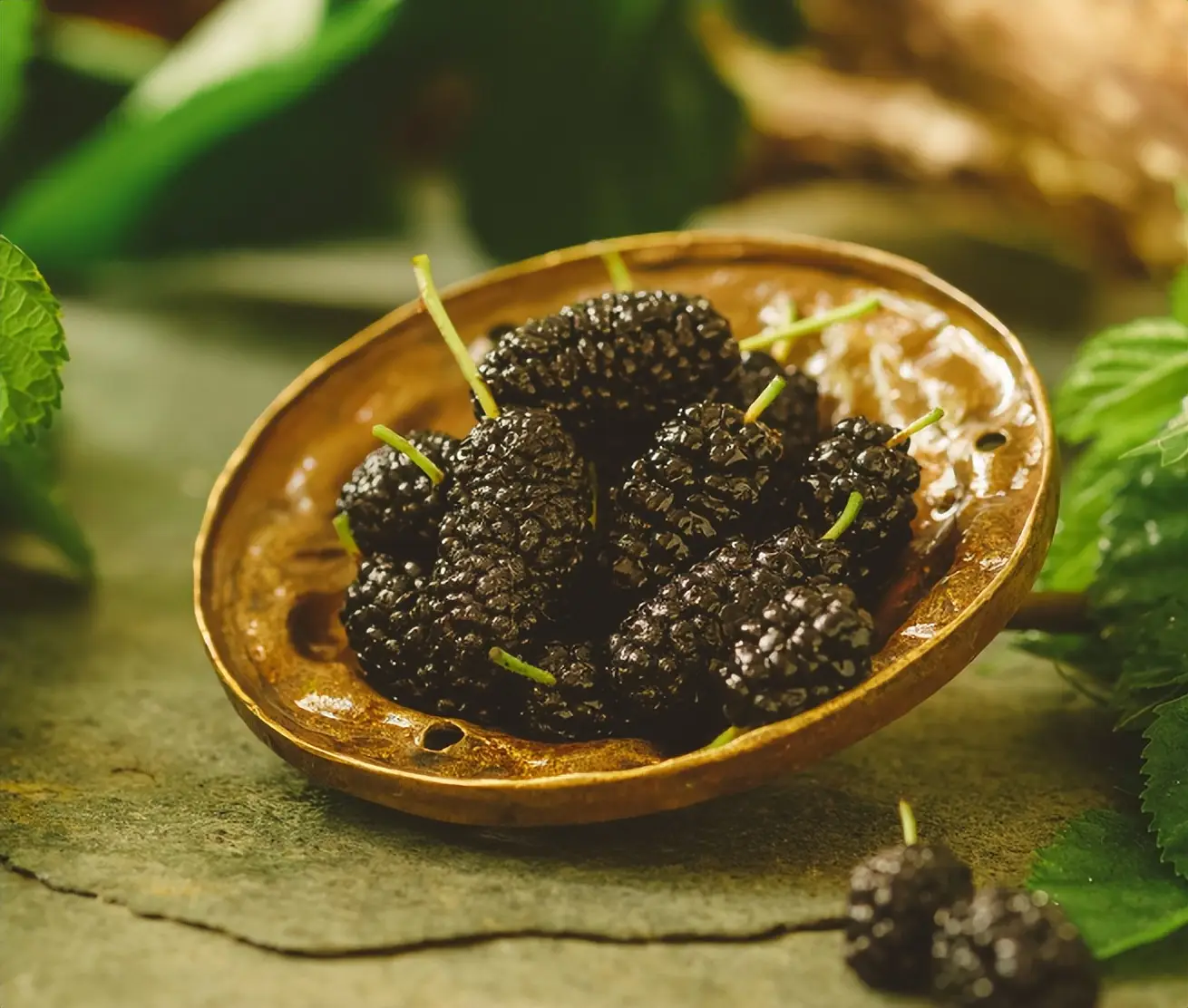
Key points for purchase: Choose darker colors. The darker the color, the higher the anthocyanin content. In addition, choose fruits with firm stems and plump flesh without bumps. The storage method is the same as strawberries.
Mango
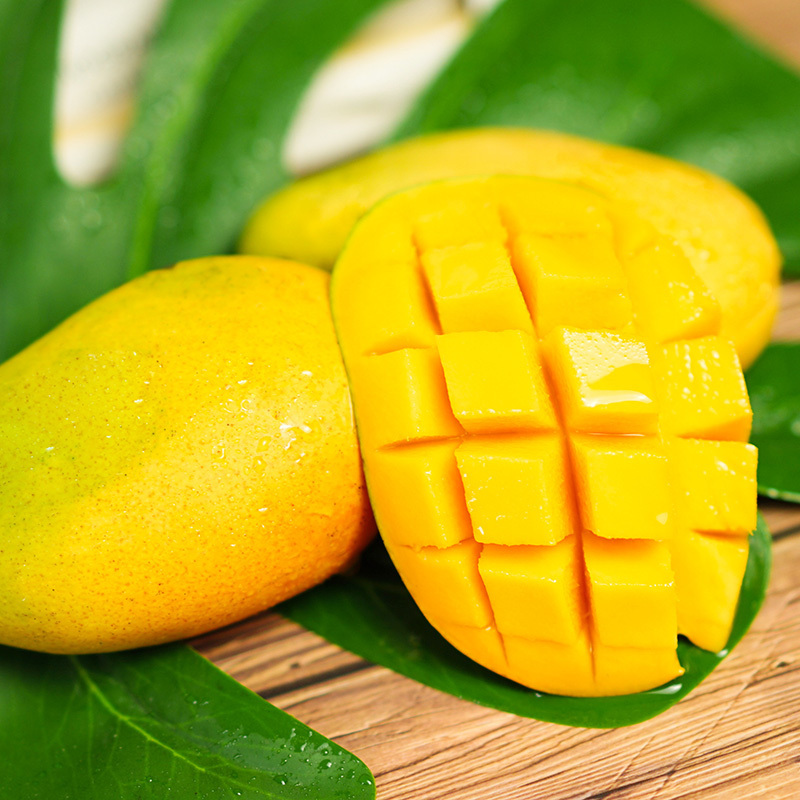
Although it has no major advantages in the various nutrients compared above, it is rich in β-carotene, and its rich mango fragrance has conquered a large number of people. However, mango is more likely to cause allergies among fruits, so friends with allergies will not have this blessing.
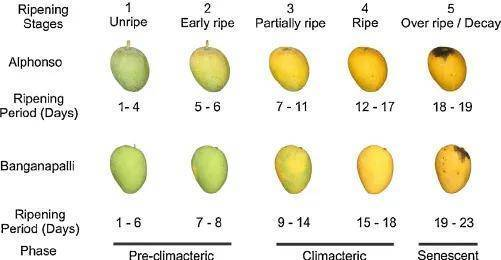
Unlike pineapples and loquats, it is a respiratory climacteric fruit. It can continue to mature after picking, so it doesn’t matter if you buy it raw. Don’t refrigerate it, just store it at room temperature, and put it together with apples and bananas that easily release ethylene, and eat it after a few days when it is ripe.
If the whole body is orange-yellow (2nd from right in the picture below), it is ripe. Eat it quickly. Don't wait until black spots appear on the surface, which means it is overripe (1st from right in the picture below).
Three golden rules for eating fruits in spring
1. Rainbow rule: Choose fruits of different colors to eat, and choose dark fruits more often. Fruits of different colors have different nutritional values. For example, red strawberries and cherries are rich in anthocyanins and lycopene, which are anti-inflammatory and beneficial to cardiovascular health; orange-yellow ones such as mangoes and pineapples are rich in β-carotene + lutein, which protect the health of eyes and skin; purple ones such as mulberries and blackberries are rich in proanthocyanidins and have strong antioxidant capacity.
2. Fist measurement method: According to the recommendations of the "Dietary Guidelines for Chinese Residents", the daily intake of fruits needs to reach 200~350 grams. If measured with our fists, it is approximately equivalent to 2~3 fists.
3. Focus on whole fruits: Drink less juice and eat more whole fruits. Because when fruits are made into juice, the sugar in them will be released, which will raise blood sugar faster. In addition, air will be stirred into the juice when it is made, which will oxidize and destroy vitamin C. In addition, compared with eating the fruit directly, it is easier to drink too much juice directly.
References
[1] Fiona S Atkinson, Jennie C Brand-Miller, Kaye Foster-Powell, Anette E Buyken, Janina Goletzke, International tables of glycemic index and glycemic load values 2021: a systematic review, The American Journal of Clinical Nutrition, Volume 114, Issue 5, November 2021, Pages 1625–1632, https://doi.org/10.1093/ajcn/nqab233
[2]https://www.mext.go.jp/a_menu/syokuhinseibun/mext_01110.html
[3] Basson C E , Groenewald J H , Kossmann J , et al. Sugar and acid-related quality attributes and enzyme activities in strawberry fruits: Invertase is the main sucrose hydrolysing enzyme[J]. Food Chemistry, 2010, 121(4):1156-1162.
[4] Lozowicka B, Jankowska M, Hrynko I, Kaczynski P. Removal of 16 pesticide residues from strawberries by washing with tap and ozone water, ultrasonic cleaning and boiling. Environ Monit Assess. 2016 Jan;188(1):51. doi: 10.1007/s10661-015-4850-6. Epub 2015 Dec 22. PMID: 26694708; PMCID: PMC4688301.
[5] https://fruitsandveggies.org/fruits-and-veggies/strawberries/
[6] Ikram MMM, Ridwani S, Putri SP, Fukusaki E. GC-MS Based Metabolite Profiling to Monitor Ripening-Specific Metabolites in Pineapple (Ananas comosus). Metabolites. 2020 Mar 31;10(4):134. doi: 10.3390/metabo10040134. PMID: 32244367; PMCID: PMC7240947.
[7]https://www.frontiersin.org/articles/10.3389/fpls.2019.00619/full
[8] Nambi V E , Thangavel K , Jesudas D M . Scientific classification of ripening period and development of colourgrade chart for Indian mangoes (Mangifera indica L.) using multivariate cluster analysis[J]. Scientia Horticulturae, 2015, 193:90-98.

